Who Owns the Atmosphere?
Why human curation matters in the age of AI, and how music shaped around your brand, space and audience creates a more distinctive experience.

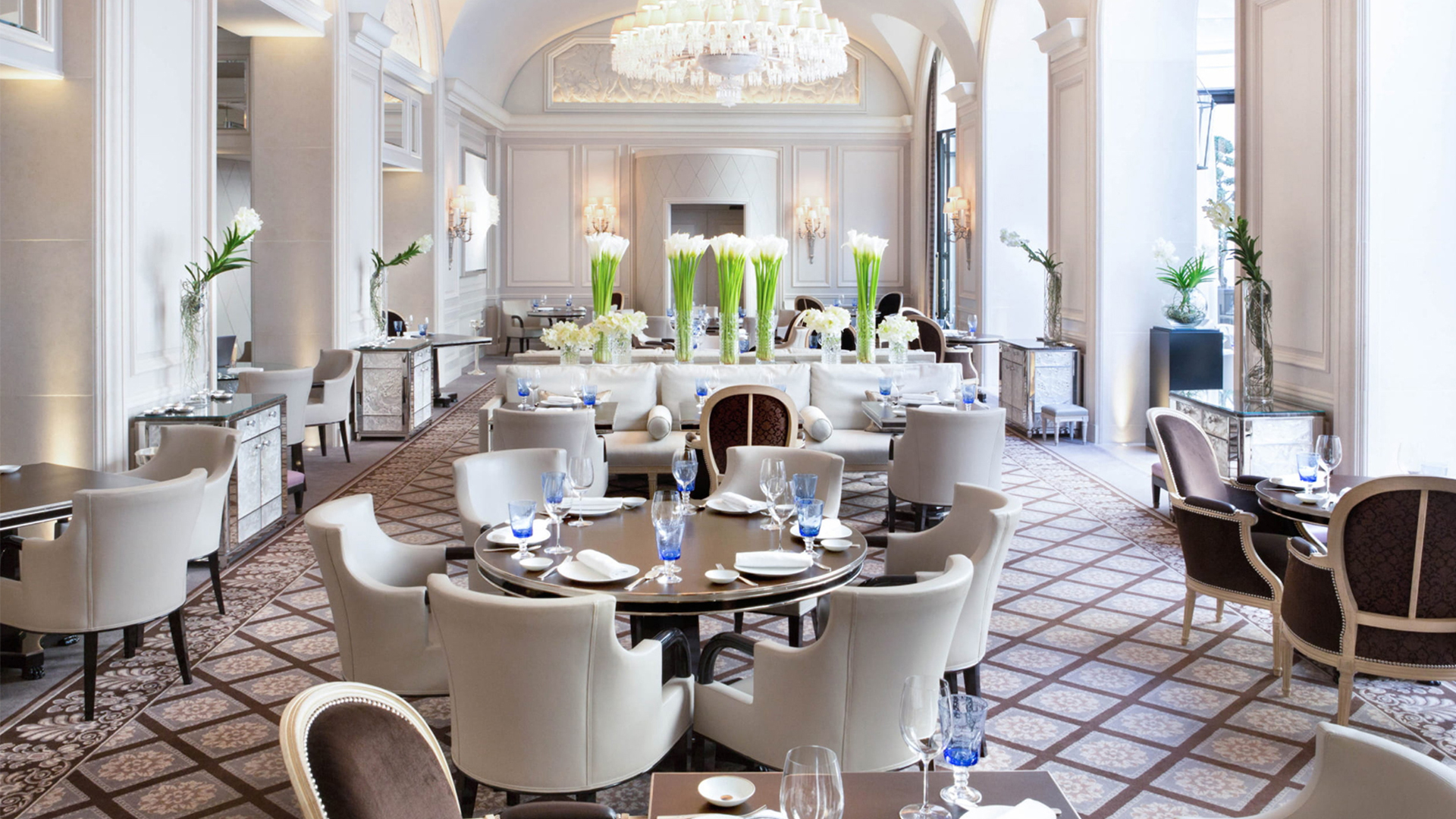
Why creating a coherent experience needs clear ownership across brand, design, technology and operations.
A space can have a clear brand concept, a considered interior and a capable operating team, yet leave an important question unresolved: who is responsible for keeping the experience coherent?
For music, responsibility can end up with whoever has access to the system. Our view is that the client should establish clear accountability for the intended experience, supported by a shared brief and defined responsibilities for the specialists and teams delivering it. Those responsibilities need to remain clear as the project moves into daily operation.
Atmosphere gives a brand a physical presence, influencing how people experience a space and how comfortably they can use it. It emerges through the relationship between music, lighting, materials, layout and service, yet responsibility for those elements often sits across different teams. When their decisions develop separately, the finished environment can struggle to deliver the experience the business intended.
Across retail, workplaces and hospitality, sound makes this challenge particularly apparent. Its effectiveness depends on understanding the brand, the people using the space and the practical conditions in which it operates.
Drawing on industry conversations, design research and Altaura’s work across these sectors, this article explores how clearer ownership can connect those decisions, allowing businesses to develop atmosphere as a tool for customer experience, daily operation and commercial performance.
Atmosphere as a design discipline
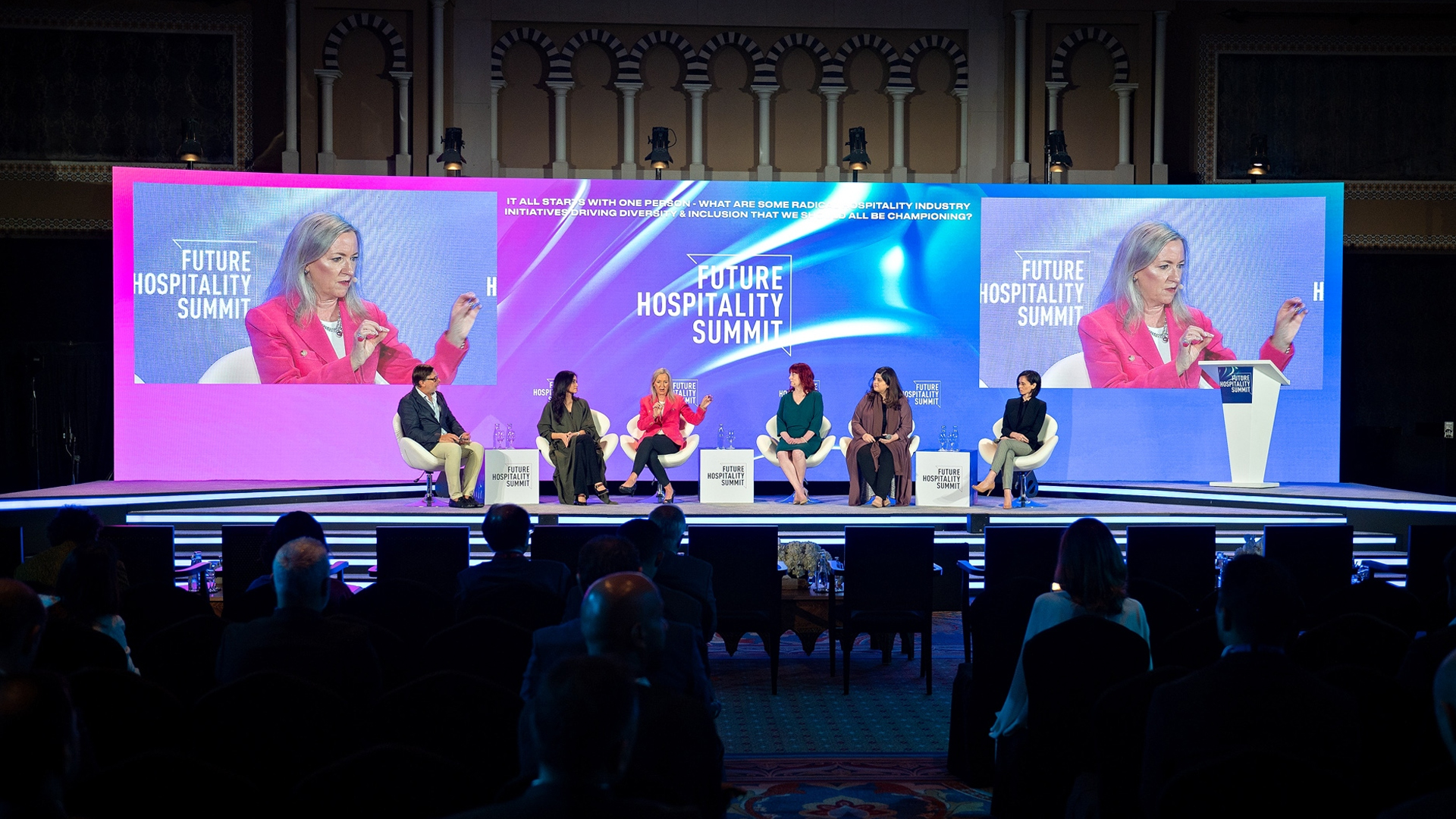
Recent conversations at Future Hospitality Summit in Dubai, and separately with other major operators, have returned to the importance of strategy and design informing each other earlier. By the time a project reaches installation, decisions about materials, layout and infrastructure may already have established the limits of what the space can achieve. Understanding the intended experience before those decisions are fixed gives teams more opportunity to resolve competing requirements.
A related discussion emerged at BLLA’s High Fidelity conference panel, where acoustic considerations were described as inputs into architecture. Although the setting was hospitality, the principle extends to a retailer developing a flagship or a workspace operator planning shared amenities: the activities a space needs to support should help shape its design.
The Design Council’s Framework for Innovation provides a useful foundation for this approach through its emphasis on understanding people, defining the problem and testing possibilities as knowledge develops. Applied to atmosphere, that means investigating how the brand should feel in practice, then allowing creative and technical decisions to develop around that understanding.
This requires continuity between the original ambition and the people responsible for bringing it into operation. Without it, an experience discussed carefully at concept stage can become a series of disconnected specifications.
Responsibility across the whole experience
Sound often moves through a business by passing between departments. Brand teams establish its character, designers consider its physical setting, IT manages infrastructure, procurement evaluates suppliers and operations takes responsibility for daily use. Each contribution is necessary, but the relationship between them can remain unresolved, particularly when access to the system becomes the default basis for deciding who owns the atmosphere.
The Institute of Hospitality’s sound white paper describes venues where authority sits variously with IT teams, managers, directors and owners. The challenge is recognisable beyond hotels: a store manager may inherit a centrally selected music service with little guidance, while a workplace team may be expected to manage competing needs across reception, cafés and shared work areas.
Technical teams need a clear experience brief to guide their contribution, just as procurement needs a defined business requirement against which to assess proposals. CIPS’s procurement cycle explicitly begins with understanding that requirement and involving stakeholders across functions.
Our work with Landsec brought these relationships together across shopping centres with different audiences, architecture and operating rhythms. Workshops, site visits and demographic research informed a framework that connected central direction with the needs of individual centres and zones. Clearer guidance, staff training and simpler management then helped carry that intention into daily use.
The ownership question therefore concerns who maintains the connection between disciplines, ensuring that decisions remain grounded in the experience the business wants to deliver.
The limits of the rendered room
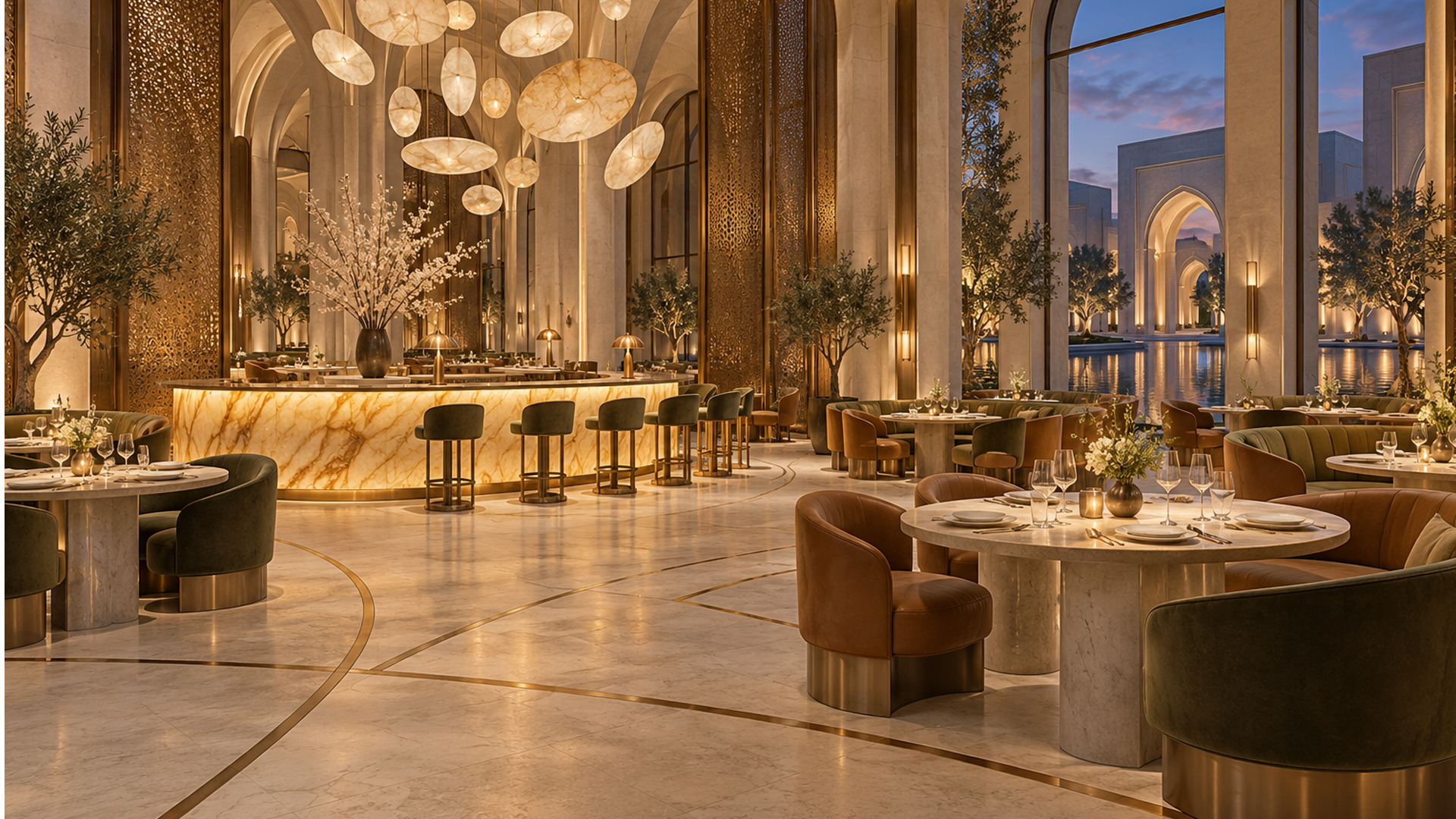
That connection becomes especially important during design approval, when much of the discussion is necessarily organised around drawings and visualisations. A render can communicate proportions, materials and visual character, helping a team understand the proposed identity of a space. Other qualities require different forms of evaluation, including the effort of conversation, the relationship between neighbouring activities and the way an environment changes as it fills.
Architect Juhani Pallasmaa’s The Eyes of the Skin challenges the dominance of sight in architectural culture, arguing for greater attention to the full sensory experience of buildings. Gensler’s research-led discussion of multisensory hotel design develops a related argument about the coherence between sound, materials, lighting and other environmental cues.
These questions matter just as much in a showroom where customers need time to consider a purchase, or a workspace where informal conversation takes place alongside focused work. Visual approval alone cannot establish whether those activities will feel comfortable together.
At SHACK15 in San Francisco, our music strategy considered the transition from daytime working to evening socialising, with changes in musical character coordinated with lighting cues. The relationship between sound, light and the changing use of the space helped give that transition a coherent expression.
Designing atmosphere therefore requires teams to consider sequences of experience alongside the images used to communicate them: arrival, settling in, moving between areas and returning at a different moment in the day.
A brief with a business purpose
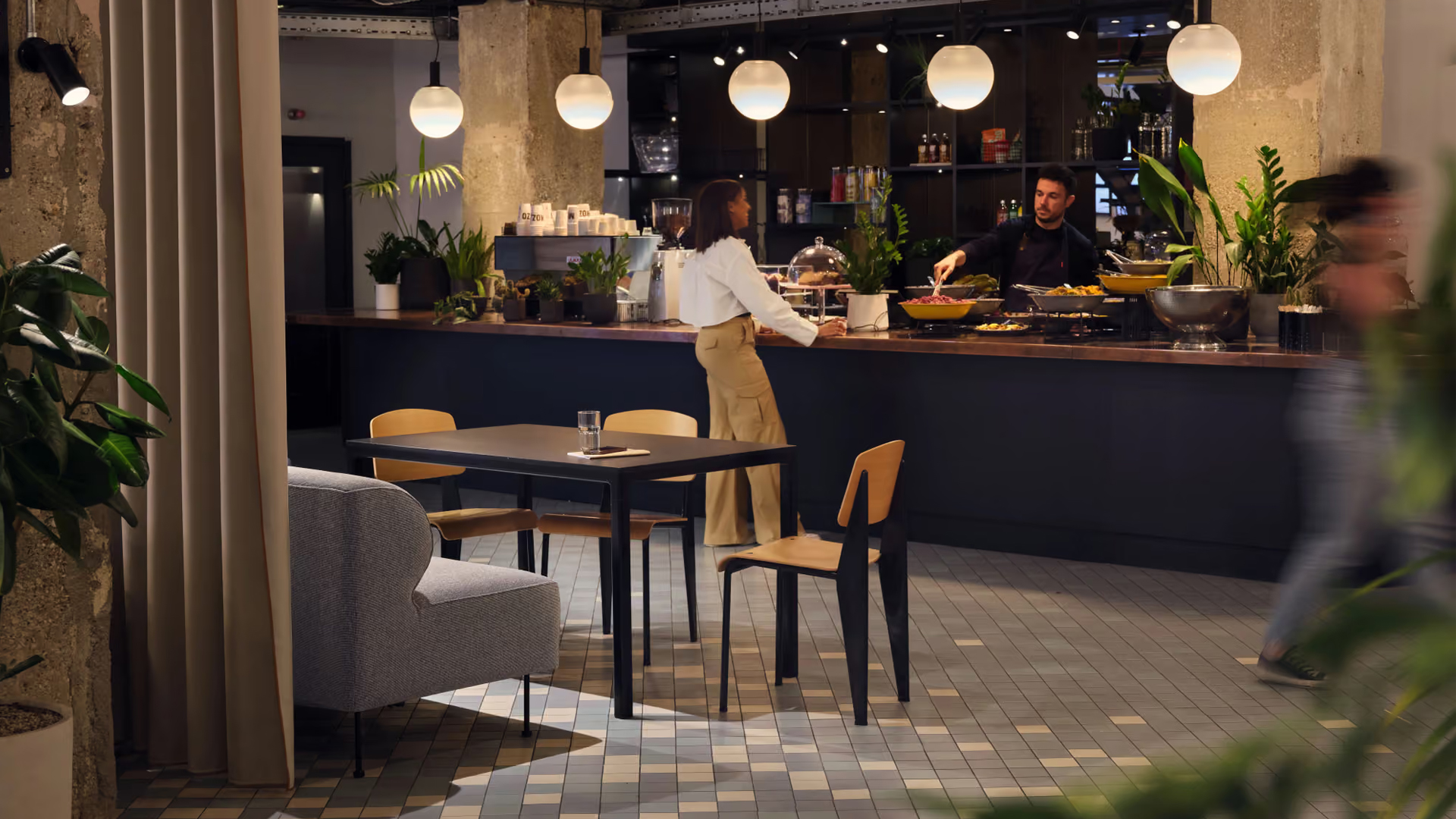
Those sequences become easier to design when the brief explains what the business needs the space to achieve. Descriptions such as “premium”, “welcoming” or “energetic” establish an initial direction, but their meaning depends on the audience, activity and moment. A retailer supporting considered purchases, a workspace encouraging informal collaboration and a restaurant managing a busy lunch service may need very different interpretations of energy.
Research gives businesses reason to take those distinctions seriously. Garlin and Owen’s meta-analysis of background music in retail settings found small-to-moderate effects across measures of value, duration and emotional response, while highlighting the challenge of generalising findings between contexts. Music deserves a clear purpose, with its contribution judged against the circumstances in which it is used.
Workplace priorities also require interpretation. Gensler’s UK workplace research identified both focus and being with colleagues as important reasons for coming into the office. Those ambitions place different demands on the environment, making the relationship between spaces as important as the atmosphere within each one.
For Timothy Oulton, our brief developed through conversations about the founder’s musical influences, his record collection and the daily rhythm of the stores. The resulting direction connected the brand’s character with the practical difference between morning order completions and afternoon browsing.
A useful music brief can hold both kinds of knowledge: what makes the brand distinctive and what the space needs to support. That gives subsequent decisions a purpose against which they can be discussed, tested and refined.

Letting strategy and space shape each other
Once that purpose is understood, it needs to inform the physical conditions that make it possible. A workspace combining quiet work areas with a social café raises questions about separation, coverage and control, while a retail environment containing consultation areas, fitting rooms and open browsing space may require several different relationships between music and conversation.
IWBI’s One WELL Revision Guide addresses acoustic planning, sound isolation, reverberation and background noise through connected design and performance considerations. These are useful reminders that the intended atmosphere has implications for the room itself, with decisions about surfaces, boundaries and infrastructure affecting what can be delivered comfortably.
Our work with Workspace combined a music framework structured around the working day with audio systems tailored to individual spaces, centralised scheduling and appropriate local adjustment. Developing content and delivery together helped address the relationship between a consistent identity and the different conditions across the portfolio.
The same interaction between purpose and setting informed our strategy for Market Halls, where coffee customers, remote workers, lunchtime visitors and evening drinkers use the venues differently. The programme needed to respond to those activities while retaining a recognisable character.
Strategy and design should therefore remain in conversation as the project develops. A proposed layout may reveal the need for a different acoustic boundary, while the character of the finished room may call for a more restrained musical approach. Considering these relationships early gives the team more scope to resolve them before compromises become part of everyday operation.
Protecting the purpose through procurement
Once the intended atmosphere is clear, procurement needs to compare the level of service required to create and sustain it. When music is specified simply as “background music”, access to a catalogue and playback system can appear equivalent to a service that includes brand research, music strategy, custom curation and ongoing creative direction. The comparison becomes centred on delivery, while the work that gives the music its purpose can disappear from view.
CIPS’s guidance on value analysis begins with understanding what a service needs to deliver, including user requirements and the function of its components. Applied to music, this means making the scope visible before comparing prices: how the provider develops its understanding of the brand, how specifically the programme is curated and how much attention the business receives after launch.
A defined music strategy establishes the relationship between brand identity, audience, space and commercial intention. Translating that direction into music requires decisions about individual selections, sequencing, familiarity, energy and cultural context. A useful proposal should explain how that work is undertaken, whether different locations receive tailored programming and how the direction will respond to campaigns, changing audiences or new uses of the space.
The ongoing service deserves the same scrutiny. Our approach to music curation includes regular updates, strategic reviews and dedicated account management because maintaining an atmosphere requires attention as the business evolves. Buyers should be able to understand who reviews the programme, how feedback reaches the curators and what support is included when something needs to change.
Making these distinctions explicit allows procurement to assess whether a lower price reflects greater efficiency, a narrower scope or a different level of service. It also protects the original design intention by ensuring that the expertise and ongoing attention needed to deliver it remain part of what the business is buying.

Understanding the room in use
The value of those decisions becomes clearer when people begin using the environment, which is why spending time in the space should remain part of the process. Conditions at the entrance may differ from those at a desk, fitting room or service position, while occupancy and neighbouring activities can change the experience across the day.
UC Berkeley’s Center for the Built Environment occupant survey offers an established approach to gathering feedback on acoustic quality alongside other environmental factors. Listening to occupants and staff helps reveal how the design performs beyond the assumptions made during development.
Research also shows why these observations need to be specific to the activity. Banbury and Berry’s experiments on office noise found disruption to memory and mental arithmetic tasks, while laboratory research on restaurant noise linked increasing noise with greater vocal effort, communication disturbance and reduced willingness to spend time and money. These findings concern different settings, but both demonstrate the importance of understanding what people are trying to do.
For FORA, site visits across different countries informed a strategy covering receptions, lounges, shared workspaces, wellness areas and member events. Musical selections were designed to remain subtle during focused periods and bring more expression as spaces became social, with ongoing refinement responding to how the buildings were used.
Staff knowledge belongs within that feedback process because teams experience conditions across whole shifts. Their observations can help distinguish a problem with repetition or timing from one involving coverage, room behaviour or the controls available during service.
Keeping the intention alive
Those observations only become useful when someone has the responsibility and authority to act on them. An accountable lead can coordinate the relevant teams, maintain the original purpose and ensure that changes are considered in the context of the whole experience. The role needs continuity through development, handover and operation, with clear arrangements for feedback and specialist support.
The Soft Landings framework, described by BSRIA’s operational lead, offers a useful model through its emphasis on early user involvement, named responsibility and aftercare. For sound, that continuity becomes particularly valuable across an estate, where buildings, audiences and local operating needs can vary.
Our work with Coach developed tailored sound profiles across ten regions, with different approaches for Retail, Outlet and Coach Play stores. A shared musical direction provided the foundation, while implementation and ongoing collaboration allowed the programme to respond to local culture and store design.
Evaluating that work requires a return to the original objectives. RIBA’s Plan for Use guide connects measurable targets with performance in use, while Gensler’s retail spatial analytics work illustrates how customer behaviour, experience and commercial measures can inform design decisions. A useful review can bring together comfort, brand fit, service flow and relevant business indicators, accounting for other changes when interpreting the results.
This is how a purchased system becomes a practical business tool: people understand what it is intended to achieve, have the means to use it appropriately and can learn from its performance. Clear ownership carries that capability through all the decisions that follow the original brief.
If you are designing, repositioning or reviewing a retail, workplace or hospitality environment, talk to Altaura about connecting music strategy, acoustics and AV with the experience and business goals you want to deliver.