From Noise Control to Workplace Atmosphere
Why the next phase of office design needs to think beyond silence

The office has changed. It is no longer just a place to sit, work and leave. It now has to support focus, collaboration, culture, wellbeing, hospitality, events and brand experience, often within the same building.
Sound has not always kept up.
Workplace sound has historically been treated as noise control. That still matters. Poor acoustics, overheard speech and a lack of privacy can all affect focus, comfort and productivity. But reducing unwanted sound is only half of the conversation.
The next step is designing sound as part of workplace experience.
Lighting changes how a space looks. Scent changes how it is remembered. Sound changes how it behaves.
This article explores why different workplace spaces need different sonic conditions, drawing on research into open-plan acoustics, hybrid working and workplace experience, alongside Altaura’s work with Workspace and Fora. A focus booth, a reception, a work café and a wellness room are not trying to create the same behaviour, so they should not share the same sonic logic.
For workplace designers, developers and operators, the conclusion is simple but demanding. The next frontier in workplace design is not making offices louder, and it is not making them silent. It is making them better tuned: sound planned around behaviour, brand, rhythm and zones, from the beginning of the design process rather than the end.
The question is no longer whether sound belongs in workplace design.
The question is who is designing it.
The silent productivity driver
Productivity is usually discussed through space, technology, policy and culture. It is discussed through desk ratios, hybrid working patterns, meeting rooms, amenities and the journey back to the office. It is discussed through software, furniture, lighting, food and wellbeing.
Sound is often missing from that conversation.
Yet sound is one of the most immediate ways a workplace tells people how to behave. It can help a room feel focused, social, calm, energised, premium or exposed. It can support concentration or interrupt it. It can give a space warmth or make it feel flat. It can help people settle into work, move into collaboration or step away from intensity for a moment. It does not need to be loud to be powerful.
The World Green Building Council has argued that office design has a direct impact on health, wellbeing and productivity, across factors including air quality, lighting, views of nature and interior layout. Sound belongs in that same conversation. It is part of the environment people work inside all day.
The WELL Building Standard also includes sound as a dedicated concept, addressing acoustic comfort, background noise and privacy between spaces as part of the wider health and wellbeing picture.
Sound is not decoration. It belongs in the design conversation from the beginning, not added when the fit-out is finished.
The office has to work harder than it used to
The role of the office has shifted.
For many people, it is no longer the automatic place where work happens every day. Economist Impact defines hybrid work as a flexible model where work location or hours are no longer strictly standardised. It also notes that many organisations now see hybrid work as a lasting change rather than a temporary response to the pandemic.
People choose between home, office and other places depending on the work they need to do, the people they need to see and the experience they expect from the day.
That choice raises the stakes. The Guardian has reported that UK office attendance is settling at its highest level since before Covid, while still remaining below pre-pandemic levels and shaped by hybrid patterns. The more interesting point is not only whether people are returning, but what kind of office experience genuinely supports the way people now work.
Gensler’s UK workplace research found that “to sit with my team” and “to focus on my work” were the top reasons employees gave for returning to the office. That pairing matters. Focus and collaboration ask very different things from the same building. They need different levels of privacy, energy, comfort and social permission, and the sonic conditions that suit one can actively undermine the other.
Workplace design has responded quickly on almost every other front. Offices now borrow from hospitality, residential design, retail and members’ clubs. The Times has written about office design being used as a tool to attract and retain staff, with modern office briefs including hotel-style fixtures, tech hubs, living walls and quiet rooms for reflection.
Layout, light and materials are all treated as experience decisions.
Sound, by contrast, is still usually treated as a technical issue. It gets attention when something goes wrong: when a space is too loud, when calls leak, when a meeting room echoes, when staff start wearing headphones to cope with the room around them.
By that point, sound has already shaped the experience. It has already told people whether the space feels calm, chaotic, useful or tiring.
The science: noise really does cost focus
Noise control matters, and the evidence behind it is strong.
Open-plan working made the problem visible: calls, conversations, keyboards and movement all compete for attention. Harvard Business Review has written directly about muting unwanted noise in the open office, linking open-plan noise to attention, stress, short-term memory, productivity, creative thinking and satisfaction. It also identifies overheard conversation as a major source of distraction.
The psychology backs this up. Banbury and Berry’s foundational research on office noise found that both speech and office noise can disrupt performance on memory and mental arithmetic tasks.
Larger studies of open-plan environments point in the same direction. A cross-sectional survey published in the International Journal of Environmental Research and Public Health found that irrelevant speech increases noise annoyance, decreases work performance and affects symptoms related to mental health and wellbeing, with workers often using headphones, changing workspace or working from home as coping behaviours.
The market has responded. The Financial Times has written about privacy at work and the rise of the quiet space, and its reporting on why office pods are suddenly everywhere reflects the same pressure: people want more control over how and where they work.
A workplace that ignores acoustic comfort is not well designed. That much is settled.
But noise control is only half the answer
Here is the problem with stopping at noise control.
If sound is treated only as a problem, the toolkit becomes narrow: reduce it, block it, mask it, avoid it. Those tools are important, but they do not create atmosphere by themselves.
They do not decide whether a reception should feel calm or confident. They do not help a work café move from morning focus to lunchtime energy. They do not define the shift from a daytime work zone into an evening event. They do not give a brand a sonic identity across multiple locations.
And silence, the implied end goal of pure noise reduction, is not always the right answer.
A silent reception can feel cold. A silent lounge can make every conversation feel too visible. A silent work café can make light interaction feel exposed. Some people decompress best in stillness; others need a softer soundscape to switch off.
Silence should be a choice made deliberately for specific spaces, not the default assumption for the whole building.
Sound in the workplace is not one thing. It is a spectrum. It can be silence. It can be acoustic treatment. It can be masking. It can be biophilic or generative sound. It can be curated music. It can be the natural room tone of people, movement and activity.
The design question is never simply whether an office should have music.
It is what each space needs sound to do.
Altaura has made a version of this argument before in other sectors. In The Silent Cost of Bad Retail Music, the point was that music shapes dwell time, perceived value and brand consistency whether or not anyone is paying attention to it. In What Restaurant Music Really Changes, it was that music influences pace and behaviour, and that fit matters more than energy.
The workplace is a different environment with different goals, but the underlying principle transfers: sound shapes the conditions around behaviour, so it should start with behaviour, not personal taste.
The useful workplace brief is rarely: what music should we play?
It is a set of design questions.
What should this space feel like?
What work is happening here?
What behaviour does the room need to support?
How should the atmosphere change through the day?
How should system, content, volume and scheduling work together to deliver that?
Noise control protects the workplace from failure.
Sound strategy helps the workplace perform.
Different spaces need different sound
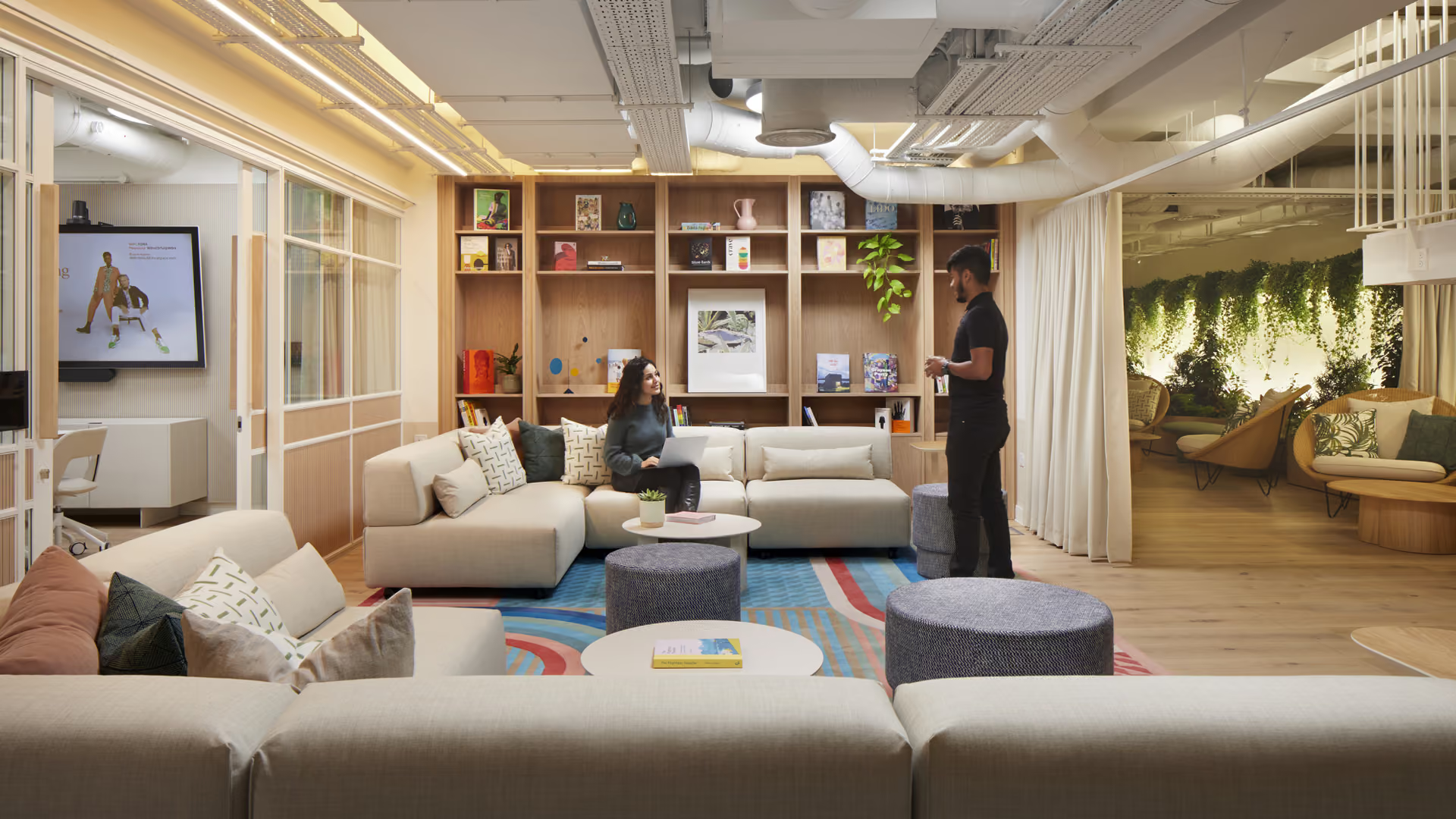
A workplace is not one environment. It is a collection of moments, and each one has a different sonic role.
Gensler has identified spaces for individual work, creative group work, reflection and restoration as among those with the greatest impact on workplace effectiveness and experience. Each of those spaces asks something different of sound.
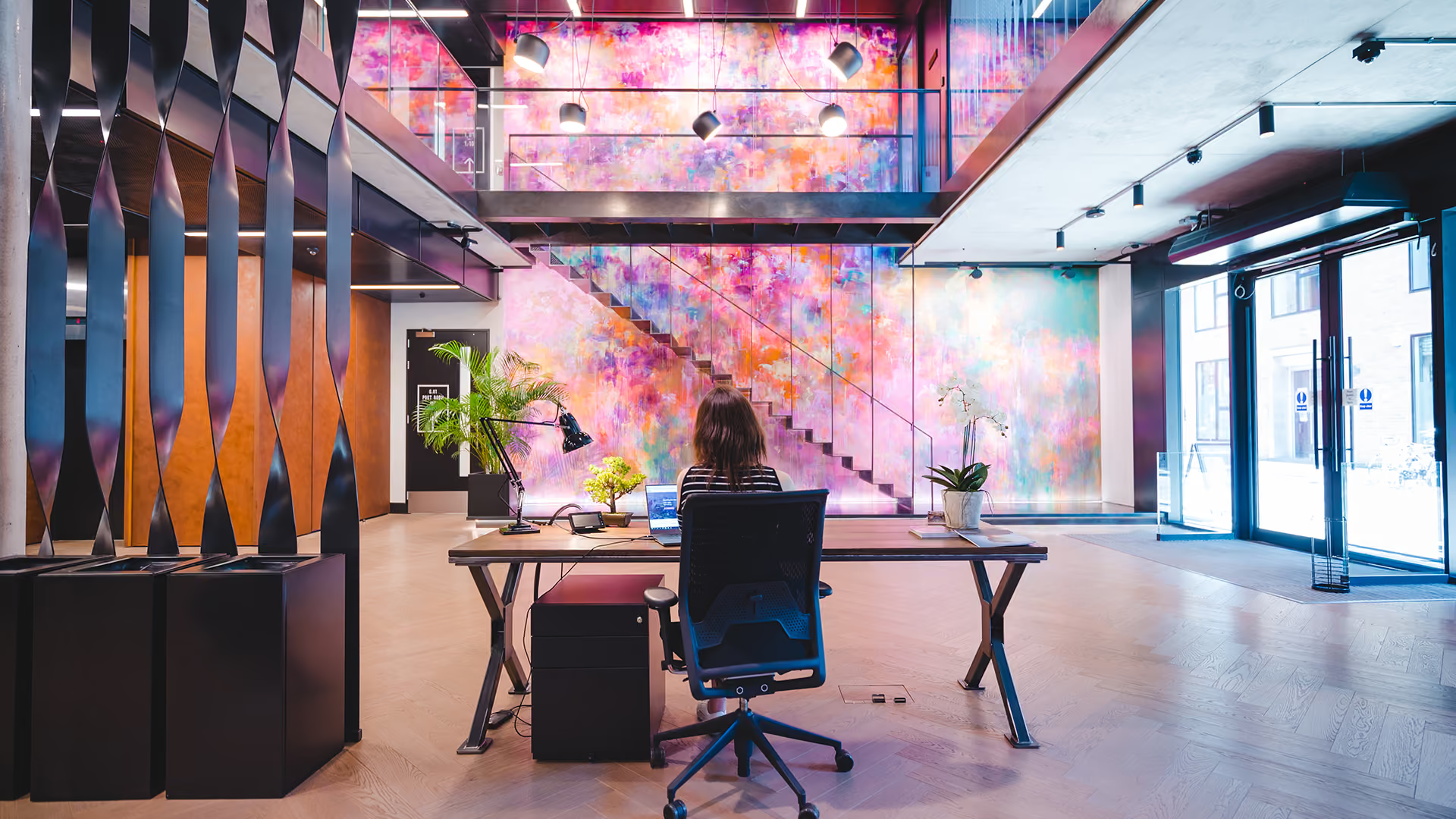
Reception is the first signal. It tells visitors, clients and staff what kind of place they have entered before any formal interaction takes place. Sound here should create confidence, calm or warmth without dominating. A reception with no sonic identity can feel unfinished; one with the wrong identity can feel like a different company entirely.
The work café is one of the clearest cases for intentional sound. Gensler’s research identifies work cafés as highly effective when they are properly equipped for work, and their sonic role reflects that dual purpose. A work café supports light work, informal meetings, breaks and movement through the building. It needs enough atmosphere to give people permission to talk, and enough restraint to let people work. The energy it needs at 8.30am is not the energy it needs at 12.30pm.
Focus areas require the most restraint. For some, silence is right. For others, controlled masking or low-distraction sound reduces the feeling of exposure and softens intrusive noise. This is where the research on speech and distraction matters most in practice: vocal density, tempo, repetition and familiarity all need careful thought, because content that competes with language-based work will lose the room its purpose.
Meeting and collaboration spaces need clarity and permission rather than quiet for its own sake. In some, a controlled soundscape helps a space feel open and active. In others, sound needs to fall away so speech stays clear. The point is to support the behaviour, not impose an atmosphere.
Wellness and reset spaces run on a different rhythm. They exist to create a break from work, not extend it. Softer, slower or more atmospheric sound can help mark that transition and make the room feel genuinely separate from the pace of the working day.
Events and community moments are where workplace sound becomes cultural. When a building hosts launches, talks, breakfasts or member gatherings, sound helps it feel less like a shell and more like a place with memory, identity and shared energy.
The same building has to hold all of these. That is the real design challenge: not choosing a sound for the office, but orchestrating different sounds across it, in ways that still feel like one brand.
Workspace: sound as a system across a portfolio
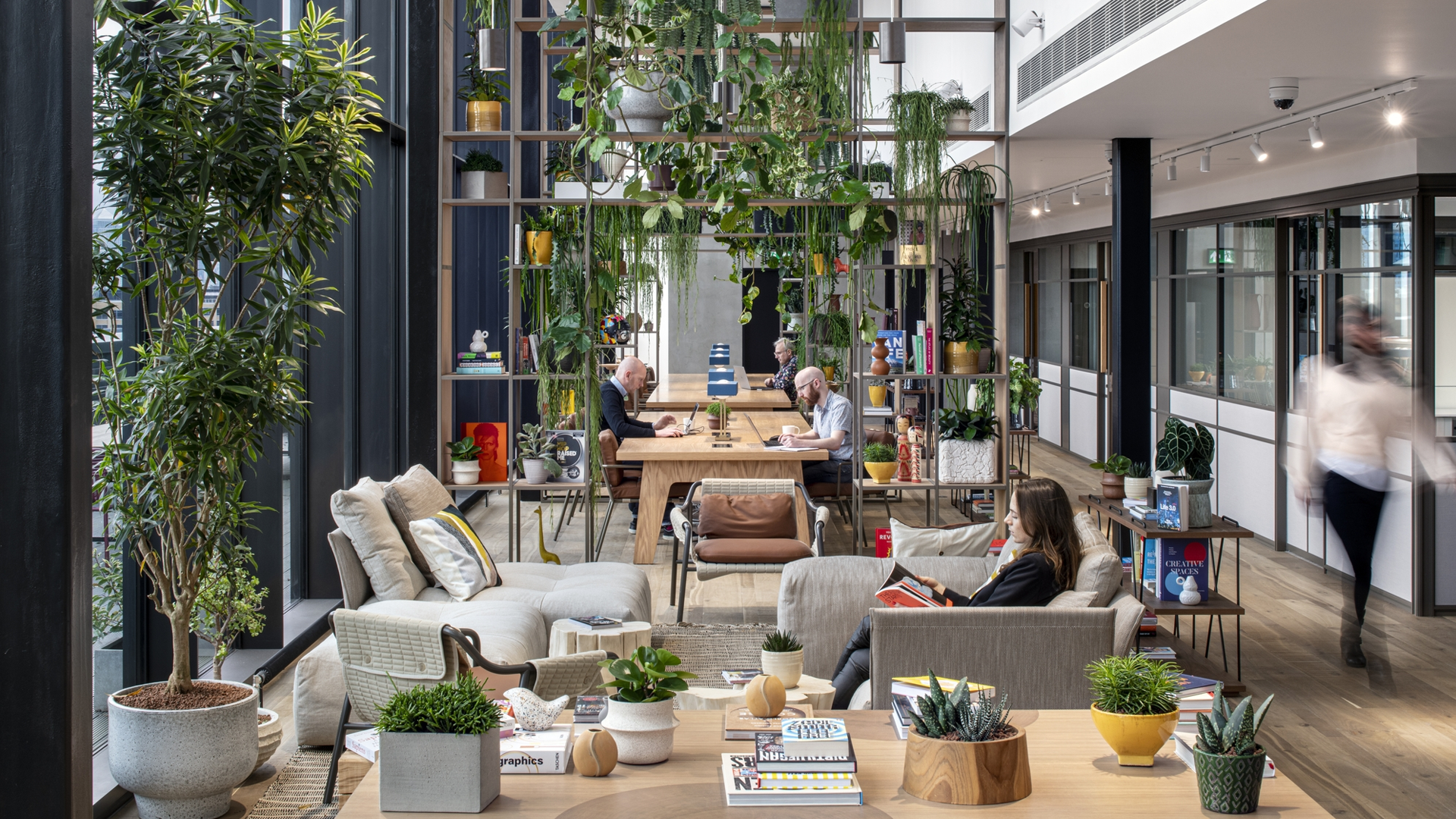
Altaura’s work with Workspace shows what this looks like at scale.
Workspace operates over 40 coworking locations across London, serving a broad mix of entrepreneurs, creative professionals and service businesses. Before the project, music across the estate lacked consistency: some sites relied on staff-managed radio or mismatched playlists, producing uneven volume, off-brand selections and spaces that could feel either too casual or too intrusive.
The challenge was not what to play.
It was how to create a cohesive sound environment across a portfolio while still supporting the rhythm of different buildings and working patterns.
Altaura developed a unified, scalable music strategy structured around five daily time segments, from early morning through to evening, alongside centralised control and new audio equipment across more than 20 buildings.
The workplace lesson is that sound at scale needs more than good taste. It needs a system: structure, scheduling, governance and refinement. Done well, music stops being a layer staff have to manage manually and becomes part of the operational rhythm of the estate, connecting every location to the brand without making them identical.
Fora: sound as part of member experience
Altaura’s work with Fora shows the more experience-led side of the same discipline.
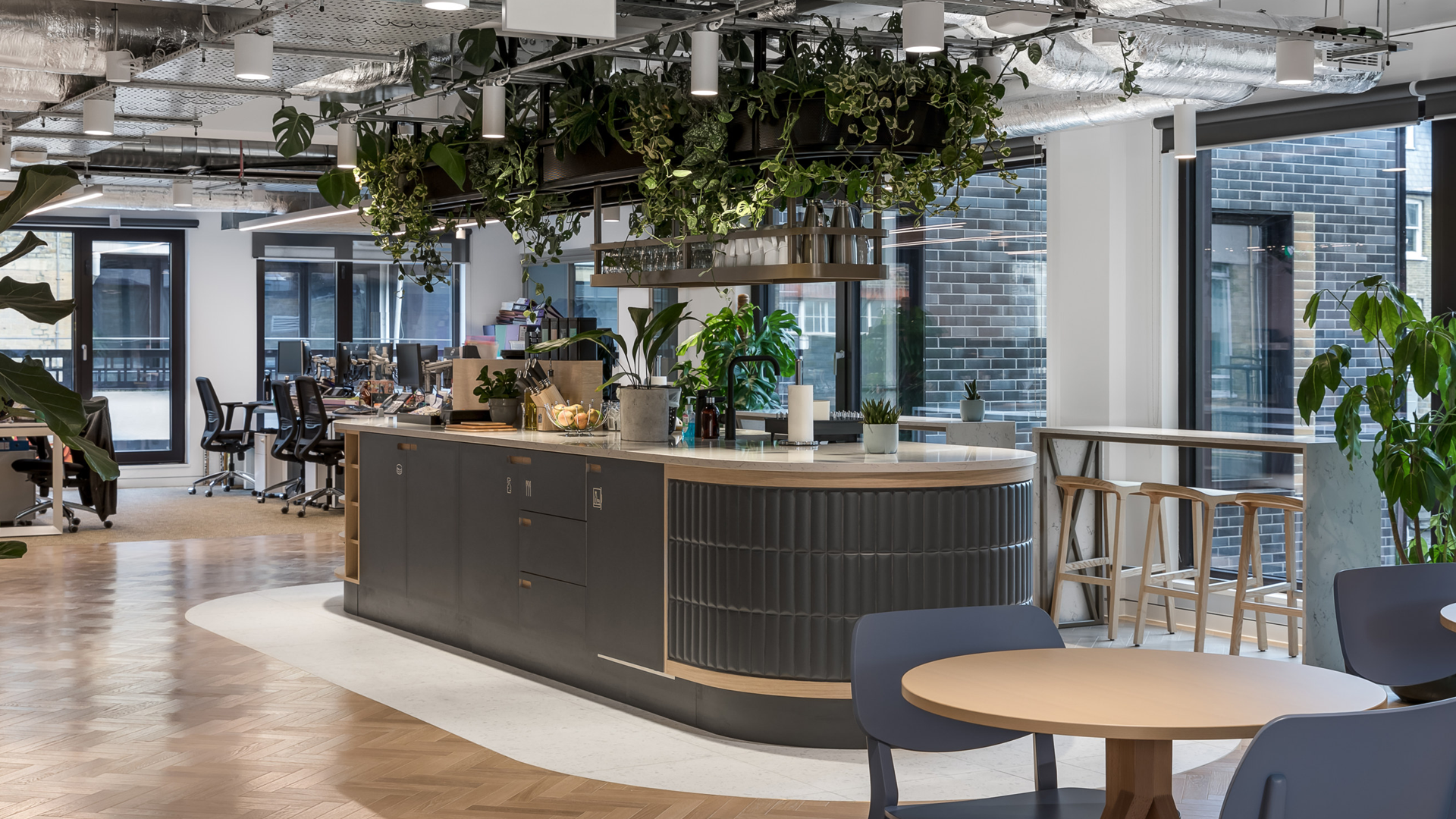
Fora needed a music strategy that could work across a growing portfolio of workspaces, each with its own layout, audience and local character, and that could support focus, motivation, wellbeing and connection through the day.
Altaura built a multi-layered strategy around mood, intention and the changing rhythm of the working day, covering lounges, receptions, shared workspaces, wellness areas, seasonal programming and member events.
The soundtrack was designed to move with the building: calmer, more focused music in the morning, building into greater rhythm and social energy as the day developed, with instrumental and low-distraction selections protecting high-focus periods and more vocal, expressive programming introduced as spaces became more social.
For workplace brands, this is the point.
The office is not only a place of work; it is part of how people understand the brand. The music, the system, the volume and the transitions all carry that experience.
A premium workplace should sound as considered as it looks.
Why this matters now
The office is under more pressure than before.
It has to justify the commute, support hybrid behaviour, help people focus better than they can in noisy public spaces, and offer connection they cannot get at home, all without becoming generic.
Gensler’s 2025 Global Workplace Survey, covering more than 16,800 office workers across 15 countries, found that human connection and collective work are fundamental to how work gets done, and that time spent working with others in person has increased since the pandemic.
Choice is now part of workplace performance. But choice only works if spaces genuinely feel different. A focus room, a café, a lounge and an event space are not trying to create the same behaviour, and a building where every zone sounds the same is quietly telling people that they are.
This shift is starting to be studied more formally. Altaura is currently working with Gensler and Delhom Acoustics on a wider exploration of sound and the workplace. The findings are not yet public and we will share more once they are, but the collaboration reflects the direction of travel: sound is moving from workplace management into workplace design.
The question is no longer whether sound belongs in workplace design.
The question is who is designing it.
The future office will be better tuned
The future office will not simply be quieter. It will be better tuned.
That means knowing when silence is valuable. It means understanding when acoustic control is enough and when a space needs a more intentional soundscape. It means designing sound around behaviour, brand, rhythm, zones and operational reality, and treating it as part of the design process alongside architecture, interiors, lighting, acoustics and AV.
Workplace music is not about making every office feel like a hotel lobby, and it is not about filling silence for its own sake. In some places the right answer will be quiet. In others it will be warmth, energy, movement or calm. Across a full workplace, it will be a sound strategy that changes with the building.
Lighting changes how a space looks. Scent changes how it is remembered. Sound changes how it behaves.
Atmosphere is not accidental. It is designed.
And in the next phase of workplace design, sound will be one of the layers that matters most.
Considering sound earlier
If you are designing, repositioning or operating a workplace, sound should be part of the conversation from the beginning.
Talk to Altaura about workplace sound strategy.