One Hotel. Many Atmospheres.
Why the next phase of office design needs to think beyond silence

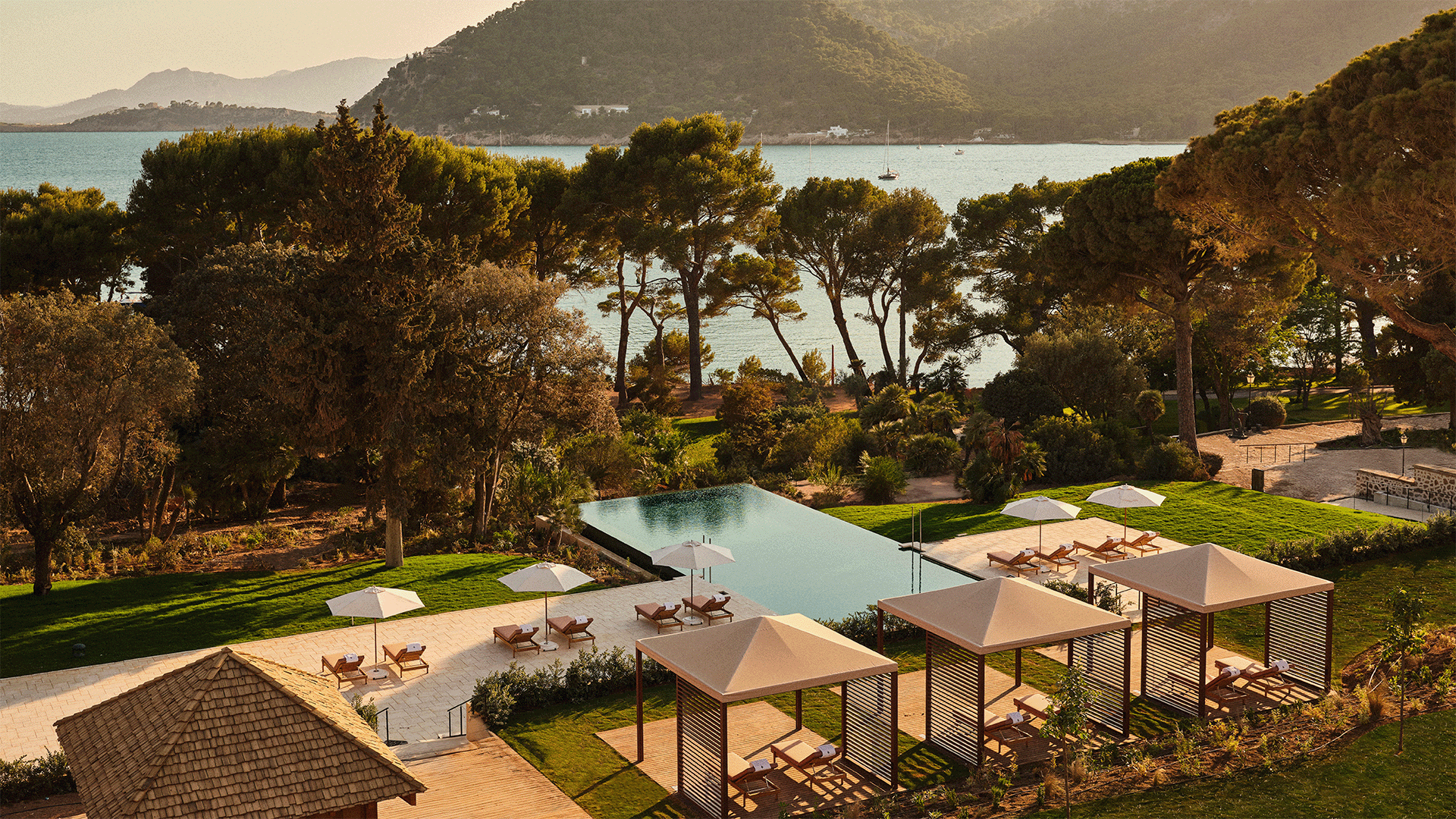
Sound is one of the few parts of a hotel experience that can respond continuously to the people inside it.
A hotel is operating around the clock, bringing together guests, local audiences and teams with different reasons for being there, different moods and different expectations. Music has to connect with all of them..
That makes its role bigger than providing different soundtracks for breakfast, the pool, dinner or late-night drinks.
At its best, music becomes part of the culture of the property. It can reflect its relationship with place, its personality, the people it wants to attract and the kind of atmosphere it wants to create. The music may change significantly from one space or hour to the next, but something underneath it should remain recognisable.
This article looks at why hotels need to think about sound at that level. Drawing on hospitality research and Altaura's work across international hotels and resorts, it explores how music, acoustics and AV can support behaviour, strengthen identity and create a stronger sense of connection across a property.
Fairmont Kea Lani and Four Seasons Abu Dhabi show that thinking at two different scales: across an entire resort, and within a specialist venue where sound became part of the design from the beginning.
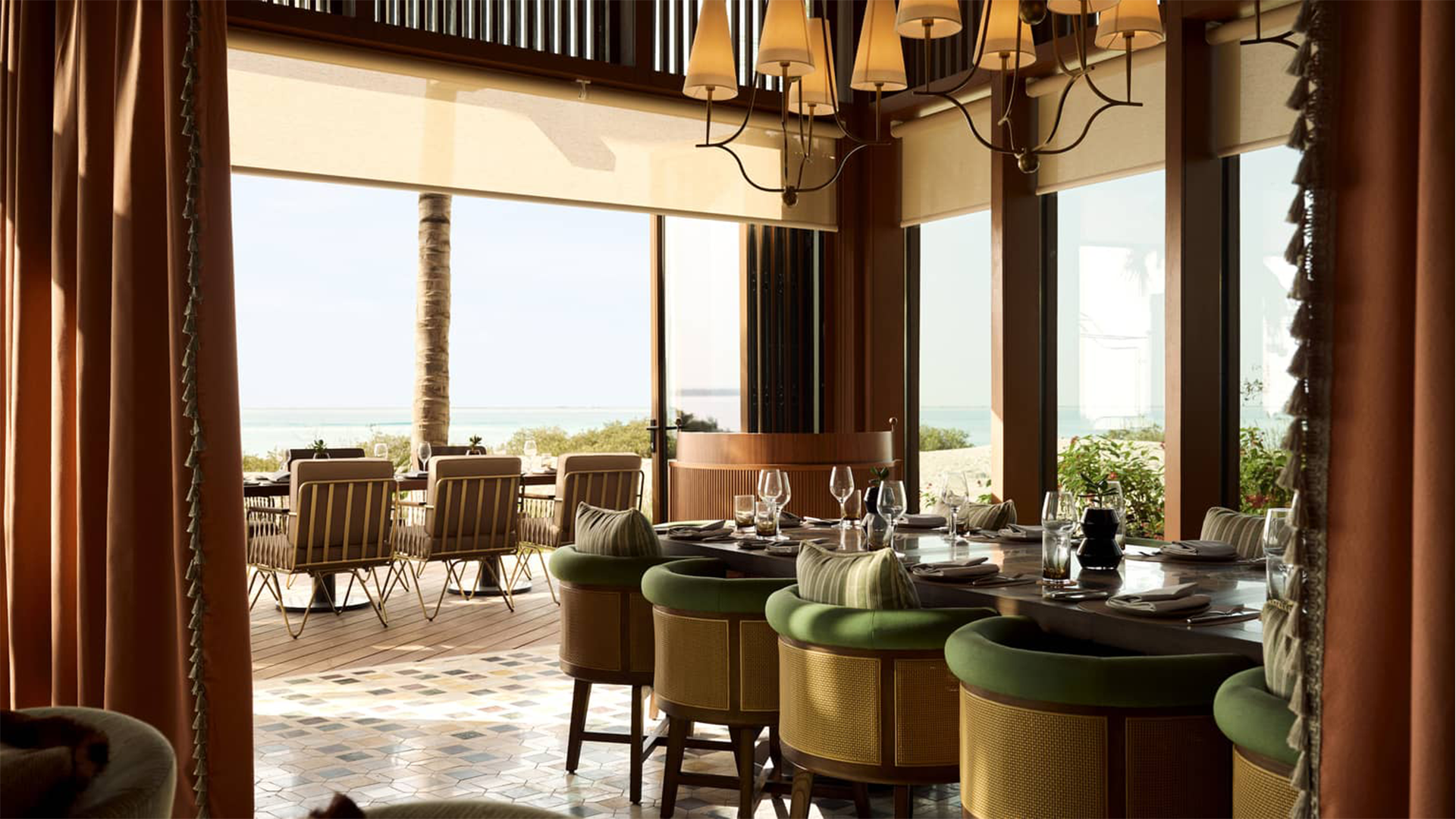
The Hotel Has Become More Than a Place to Stay
The commercial role of the hotel is changing. Increasingly, the most valuable parts of a property are not only the rooms upstairs, but the experiences that give people a reason to visit, return and spend time there.
The Wall Street Journal has reported on hotels using private-club models to build stronger relationships with local communities, while Skift has tracked the rise of hotels being developed around food and restaurant concepts. This has shifted individual venues from supporting roles into destinations with their own audiences, commercial expectations and identities.
That creates a more complex design problem. A hotel has to allow a restaurant, spa, bar or social space to establish enough character to succeed on its own, without allowing the wider property to become a collection of unrelated concepts.
The same tension applies to sound. A single musical identity applied everywhere is too blunt, but treating every space independently quickly loses coherence. The opportunity is to design a framework that can hold both: enough consistency to belong to the hotel, and enough freedom for each environment to do its own job.
A Hotel Is an Ecosystem, Not a Soundtrack
The mistake is to start by asking what the hotel should sound like.
A treatment room, pool, breakfast restaurant and late-night bar are not trying to achieve the same thing. Even the lobby may change function several times in one day, moving from arrival space to meeting place to somewhere for drinks. A destination restaurant may need an identity strong enough to attract people who have no relationship with the hotel at all.
The industry is already thinking this way about physical space. Recent CoStar reporting on hotel F&B masterplanning argues for understanding how individual outlets fit into both the wider property and surrounding community before they are designed. The recent opening of Six Senses London, profiled by the Financial Times, is another example of how hotel, wellness, membership, food and community are increasingly being designed as connected parts of a broader experience rather than isolated offers.
Sound needs the same kind of masterplanning.
Across our work with hotels, resorts, restaurants and hospitality groups in different markets, the starting point is rarely genre. It is purpose. Who is using the space? What are they doing? How long should they stay? How social should it feel? What does the operation need from the room at that moment?
A property-wide sound strategy establishes that logic first, then becomes more specific by zone, venue, audience and time of day. It is closer to spatial planning than playlist planning.
Music Gives a Hotel a Cultural Pulse
A hotel is more than a collection of spaces. It is also a collection of people.
Guests arrive from different places. Local audiences come for dinner or drinks. Teams spend every day inside the property. At any given moment, people with very different reasons for being there are sharing the same environment.
The hotel still needs to feel like one place.
Architecture and interiors establish the physical identity of a property. Service expresses it through people. Sound adds another layer, one that can change continuously while still reinforcing the same underlying culture.
Research into music helps explain why.. The American Psychological Association's overview of the science of music connects music with emotion, memory, cognition and identity. A wider body of research has also examined the relationship between music and social bonding, showing how musical experiences can contribute to feelings of connection between people.
Background music in a hotel is clearly different from people actively making music together, but the broader point is important. Music carries cultural and social meaning. It can remind us of places, communities, generations and moments in our own lives.
That gives it a role beyond setting the mood.
A musical identity can help a visitor understand where they are. It can give a local audience a stronger sense that the hotel belongs to its city. It can make a quiet room feel inhabited rather than empty, or give a busy one enough cohesion to feel social rather than chaotic.
The question is therefore not simply whether the music suits the room. It is whether it makes the room feel like part of this particular hotel.
That is where sound stops sitting behind the experience and starts expressing the culture of the property.
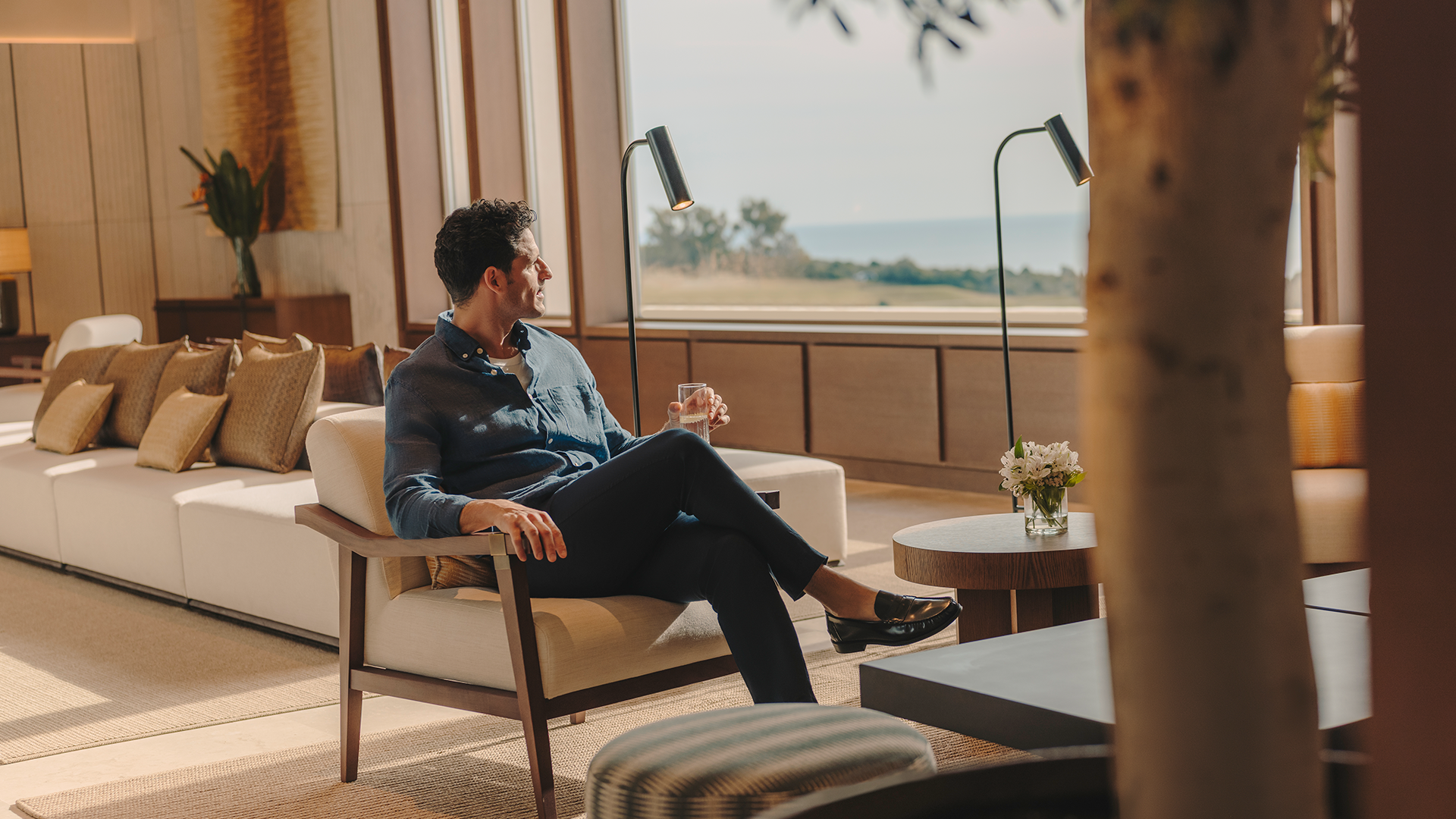
Design for Behaviour, Not Genre
There is a substantial body of research around music and hospitality, but its most useful lesson is also one of the most easily misunderstood.
A meta-analysis published in the Journal of Business Research brought together 56 studies and 209 measured effects. It found that the presence of music alone was not the important factor. How it was designed mattered more, with preference and contextual fit having stronger effects than blunt physical variables such as tempo or volume.
Research looking specifically at hotels reinforces the point. A study of 2,357 music-related reviews across 28 hotels found that guests responded positively when music fitted its environment, while excessive loudness and fast tempo were recurring negatives. Earlier research in the Journal of Vacation Marketing also set out the psychological implications of music for hotel firms, connecting music to perceptions of the environment, waiting, brand and behaviour.
This does not mean a hotel can engineer guests through BPM. Behaviour is more complicated than that.
It means sound is one of the environmental conditions through which people interpret a space. Rhythm, familiarity, cultural context, instrumentation, vocals, density and volume all contribute. What is appropriate depends on what is happening in the room.
Breakfast may need gentle momentum without feeling hurried. A bar may need enough energy to make social behaviour feel natural. In a spa, the right answer may be a very restrained soundscape or almost no music at all.
The objective comes first. The music follows.
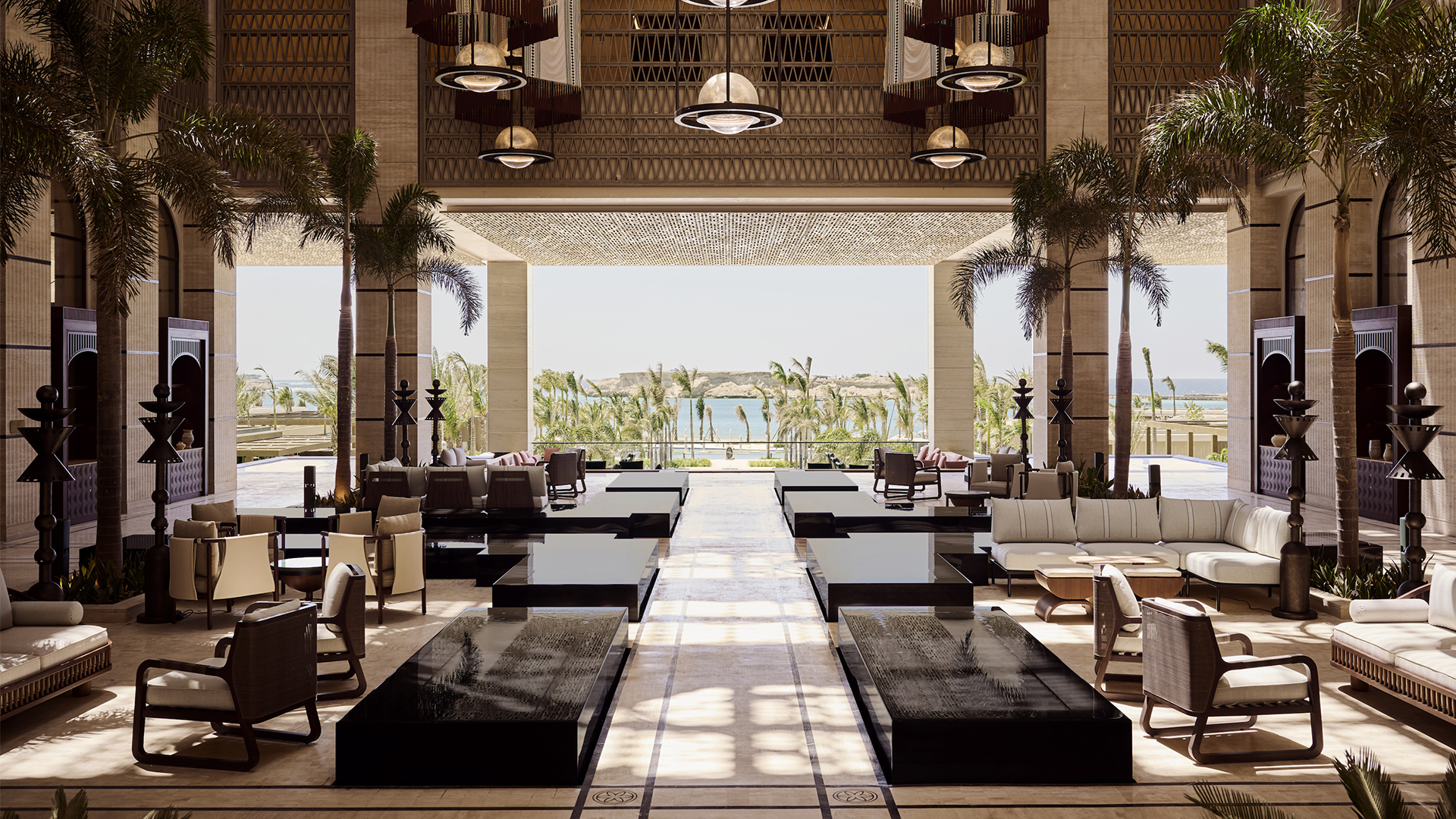
Consistency Is Not Sameness
Once different spaces are allowed to respond to their own purpose, audience and energy, another question appears. How do you stop the hotel feeling fragmented?
The answer is not to make every venue sound similar. It is to make the thinking behind them consistent.
A hotel's musical identity should have enough range to move from quiet to social, familiar to exploratory and restrained to energetic without losing its point of view.
Research into sonic branding in hospitality has examined how music can contribute to hotel brand perception and engagement, treating sound as part of the identity guests encounter rather than simply an environmental backdrop.
That point of view can come from the hotel's relationship with its location, its history, its audience, its design or the kind of social experience it wants to create.
It can also connect the property to the culture outside its walls. Research into the role of hotels within Glasgow's music culture found examples of hotels positioning themselves as part of the city's musical life, using music to connect guests with the place rather than treating the property as separate from it.
That is particularly relevant as hotels increasingly want to mean something to local audiences as well as the people sleeping upstairs.
A hotel in Maui should not automatically sound like one in Abu Dhabi, London or Tokyo. Two hotels in the same city should not necessarily sound alike either. Within a single property, the music at midnight may also bear very little resemblance to what was playing twelve hours earlier.
What connects those moments is not genre.
It is perspective.
The relationship with place. The balance between familiarity and discovery. The cultural references that feel appropriate. The boundaries of the brand. The way the property wants different people to feel part of the same world.
Individual spaces can interpret those principles very differently without becoming disconnected.
That is consistency. Making everything sound alike is simply sameness.
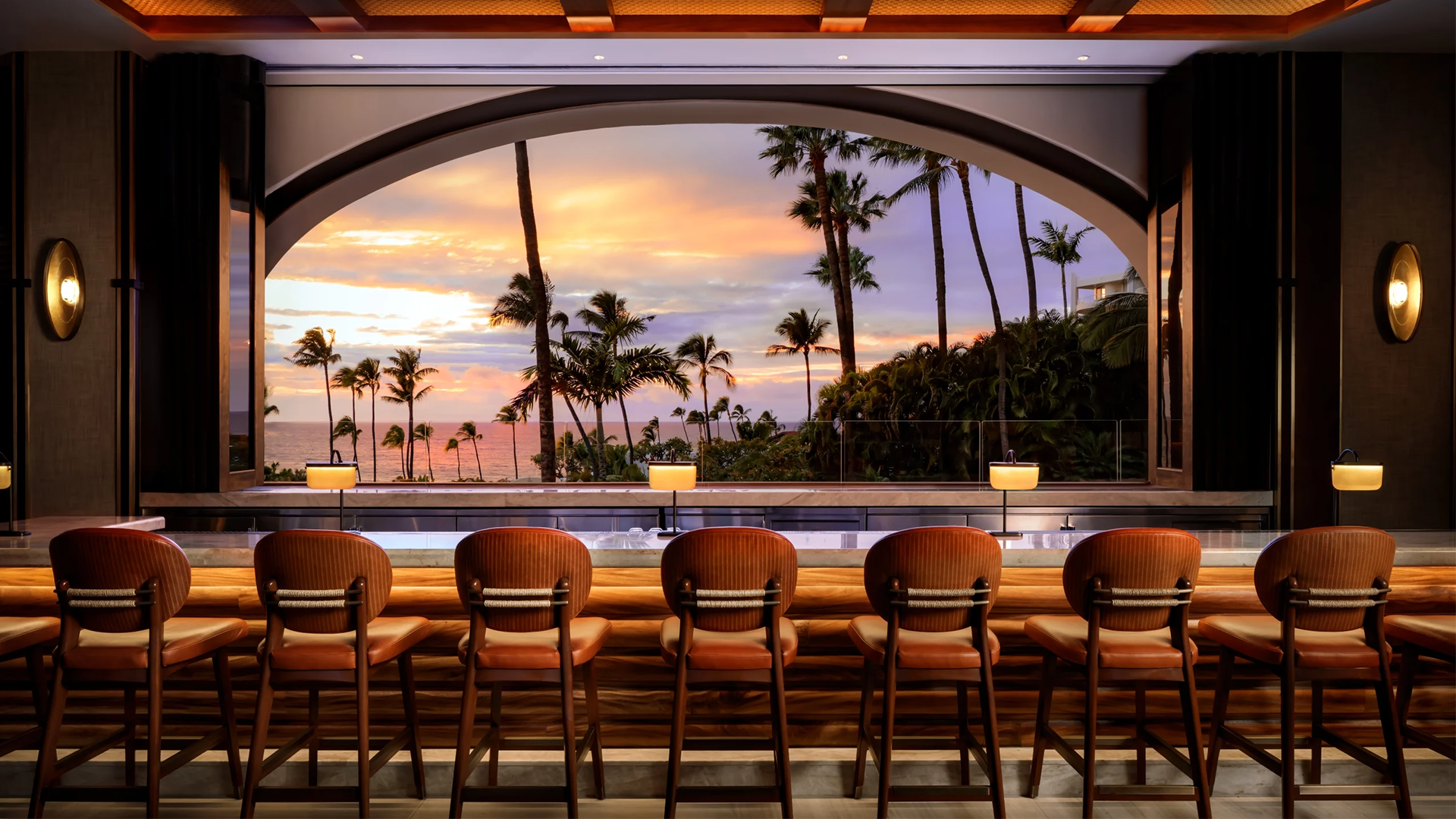
Fairmont Kea Lani: Designing at Property Scale
Our work with Fairmont Kea Lani in Maui shows what this looks like at resort scale.
Kea Lani contained restaurants, bars, spa, fitness and public spaces serving different audiences and different moments of the guest journey. Its existing soundscapes varied across the property, while staff had limited ways to manage or respond to them. We began with site visits and workshops involving leadership, department heads and operational teams, defining what each environment needed before developing the music around it.
The result was one property-wide strategy with different expressions. The spa moved towards calmer soundscapes with natural instrumentation. Kō needed something more elegant and soulful. Ama Bar & Grill required greater energy as the evening developed. Hawaiian influences connected the strategy to Maui, but were balanced with the expectations of an international audience.
Breakfast showed why this approach matters beyond taste. During busy service, the room needed to retain the ease expected of a luxury resort while also improving flow. Following implementation and refinement, average breakfast table turnover tome reduced by six minutes, helping eliminate waits at peak periods, while guest satisfaction relating to ambience rose to 9/10.
The principle has a long research history. Ronald Milliman's classic Journal of Consumer Research study examined how background music affected restaurant patron behaviour. More recent evidence has made the picture considerably more nuanced, but the important point remains: atmosphere can interact with the pace and behaviour of a room.
The lesson from Kea Lani is not that every busy breakfast room needs faster music. It is that atmosphere can support an operational objective when that objective is understood first.
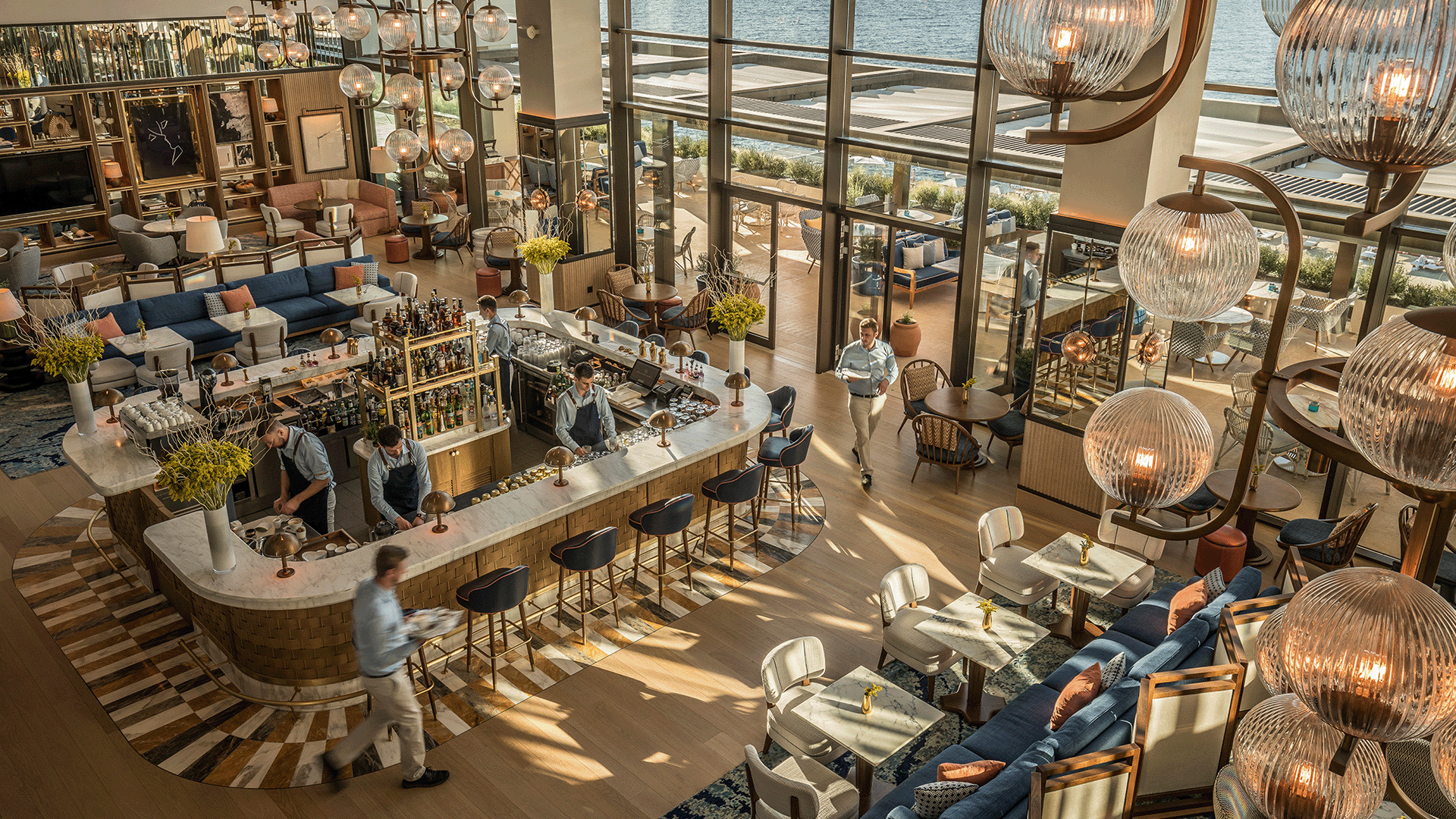
Sound Is Physical
Music strategy is only one part of how a hotel sounds.
Guests hear conversation, reverberation, kitchen noise, neighbouring venues, HVAC, footsteps and music at the same time. They do not divide the experience into separate categories called music, AV and acoustics. They experience one room.
That matters commercially as well as aesthetically. Research in the Journal of the Acoustical Society of America found that as restaurant background noise increased, participants raised their voices, experienced greater communication disturbance and reported lower willingness to spend time and money in the space.
Hotel research tells a similar story. A 2025 study in Frontiers in Built Environment examining indoor environmental quality found acoustics and noise among the strongest contributors to guest comfort and satisfaction in the hotels studied. Meanwhile, the Wall Street Journal's examination of restaurant sound captures the practical tension operators know well: a room can feel uncomfortable when it is too loud, but equally lifeless when it is too quiet.
The aim is not silence. It is control.
A marble lobby, upholstered lounge, outdoor pool and intimate restaurant behave differently acoustically. Materials affect reverberation. Speaker position affects coverage. Zoning determines how one atmosphere interacts with the next. Volume influences both energy and speech intelligibility.
This is why sound belongs in the design conversation early, alongside architecture, interiors, lighting, materials and spatial flow. If the desired atmosphere can affect the speaker system, acoustic treatment, zoning or even layout, it cannot sensibly be considered once the room is already finished.
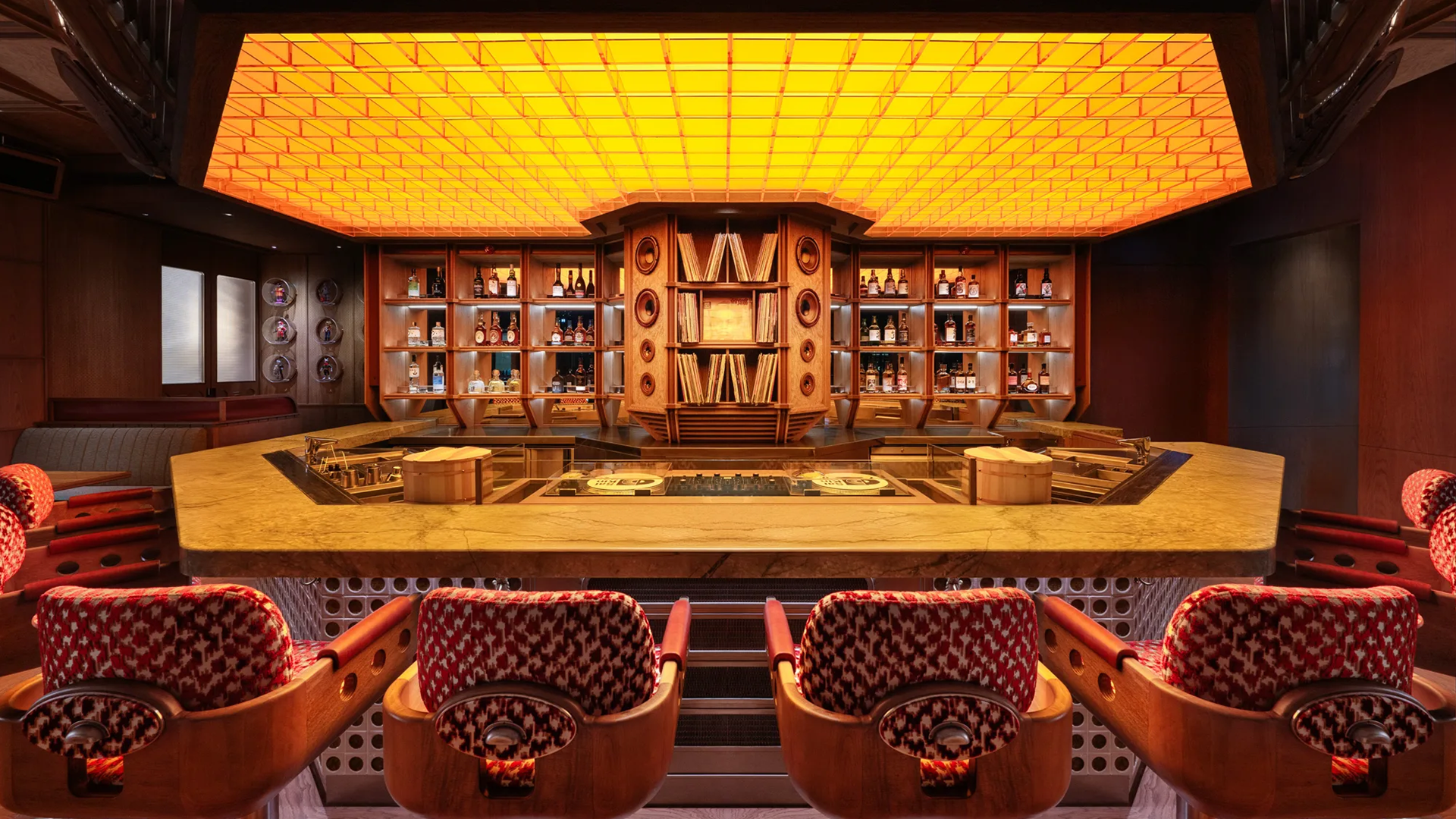
Saikindō: When Sound Enters the Design Brief
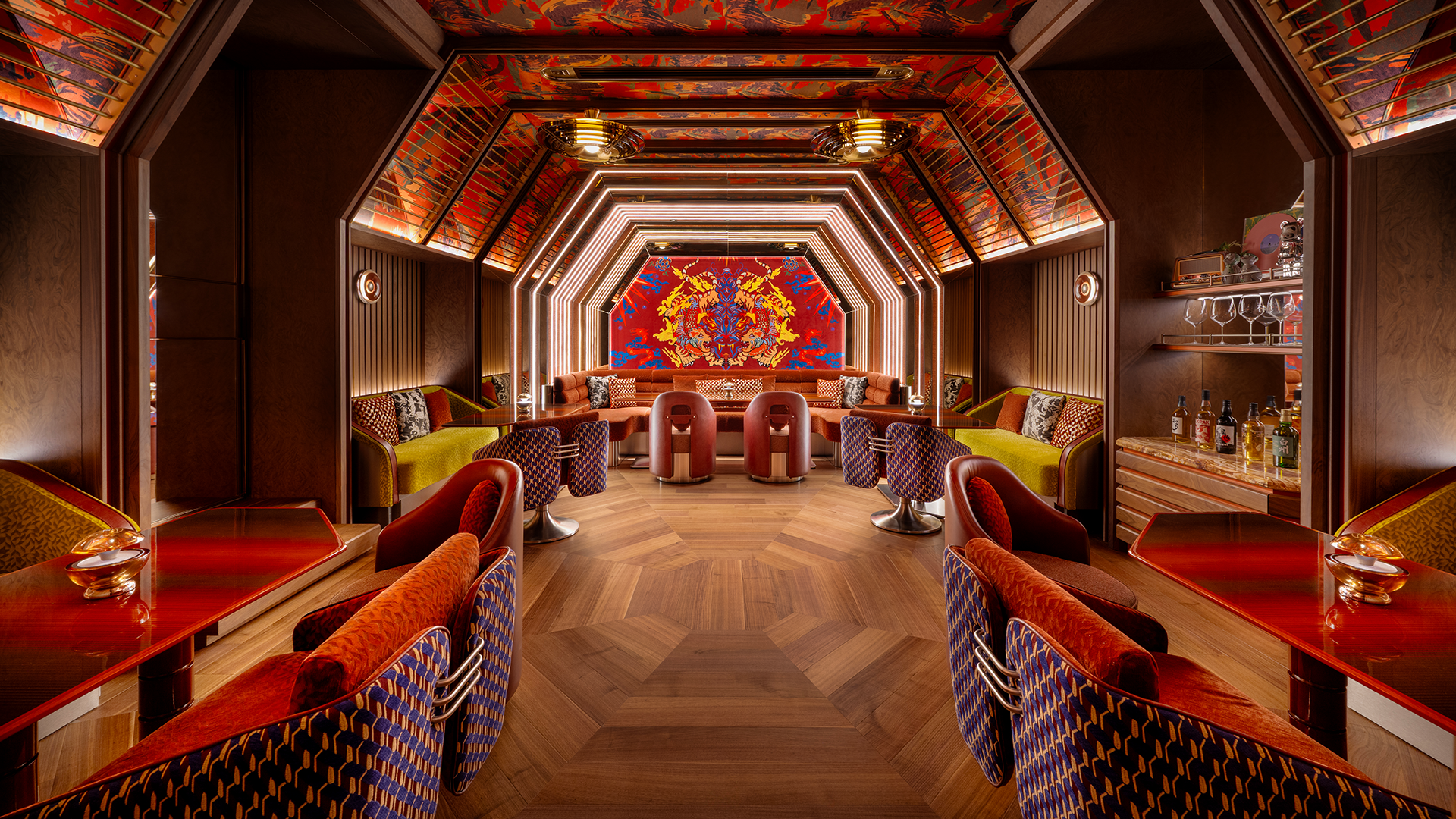
Saikindō at Four Seasons Hotel Abu Dhabi at Al Maryah Island takes that idea much further.
Altaura had already developed a musical identity across the wider Four Seasons property. Saikindō, developed by Mubadala, required something different: a listening-led restaurant and bar where sound would sit at the centre of the concept rather than being applied at the end. We joined the project from inception, working with CSQ, Avroko, Euro Tech and L-Acoustics so that music, acoustics, AV and spatial design could develop together.
The musical direction deliberately goes beyond the conventions of a luxury hotel soundtrack, moving through jazz, soul, global psychedelia, rock, hip hop and electronic music. A 400-record vinyl library gives selectors depth, while clear parameters leave enough freedom to read the room in real time.
The physical system was developed with the same intent. Materials and layout were assessed acoustically. Speaker position, room interaction, cabling, signal paths and EQ were considered as part of the experience. An omnidirectional subwoofer beneath the DJ booth was tuned so low frequencies could be felt without dominating the room, while automated EQ and volume progression allow the sound to evolve as the evening develops.
Saikindō is part of a wider shift towards hospitality spaces where listening itself becomes part of the proposition. The Financial Times has documented the international growth of listening bars and hi-fi restaurants, while the Wall Street Journal has examined restaurants where audio quality is treated with the same seriousness as food and interiors.
Not every hotel needs a listening bar. The important lesson is broader. When sound is relevant to the concept, it should help shape the room rather than decorate it afterwards.
.png)
The Hotel Changes by the Hour
Hotels are complex in space, but they are also complex in time. A lobby at 8am is not the same place at 8pm, even if almost nothing physical has changed.
In the morning it might be an arrival point, breakfast overspill and somewhere to answer emails. By the afternoon, people are meeting, working or passing through. In the evening, the same space can become part of the hotel's social life.
Hotel designers are already responding to this. Gensler's work on the changing role of the hotel lobby describes spaces moving between breakfast, work, meetings, relaxation and drinks across the course of a day rather than performing one fixed function.
The atmosphere needs to move with that change. And it is not only the function of the room that changes. Our relationship with music changes too.
A large-scale study published in Royal Society Open Science analysed more than two billion listening events and found distinct patterns in musical preference across the day, with listening behaviour dividing into recognisable morning, afternoon, evening, night and late-night periods.
That does not mean a hotel should follow people's streaming habits or mechanically schedule music by the clock.
It means context matters.
The person arriving for breakfast is not necessarily looking for the same energy as the person meeting friends twelve hours later. A guest returning to the hotel at midnight is experiencing both the building and the music differently from someone walking through it after their first coffee of the morning.
This is why dayparting should not simply mean changing playlists because the clock reaches a predetermined hour. The music should change when the room changes.
Who is there? What are they doing? What energy are they bringing with them? Does the space need momentum or calm? Should it encourage conversation, create a sense of occasion or sit almost unnoticed behind what is happening?
Few elements of a finished hotel can respond that quickly.
Architecture, materials and furniture remain largely fixed. Lighting can change. Sound can respond continuously to the life happening around it.
The identity stays recognisable. The expression changes with the people, the mood and the moment.
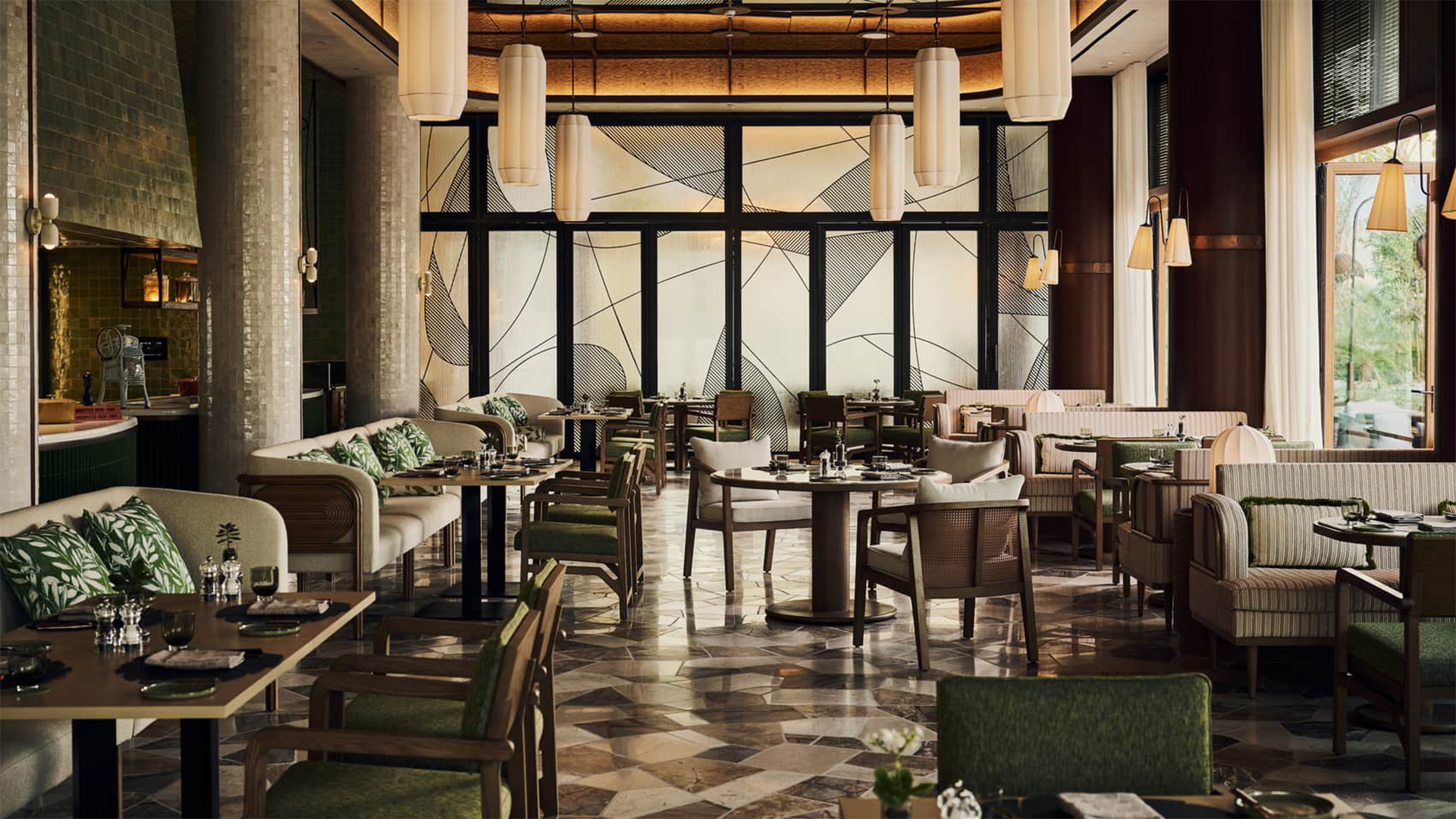
A Strategy Has to Work in the Real Hotel
The final test is operational.
Hotels do not operate exactly as they looked in the design presentation. Occupancy changes. Seasons change. A restaurant develops a stronger local audience than expected. Teams learn things about a room that could not have been known before opening.
A sound strategy therefore needs enough structure to protect the intent, but enough flexibility to respond to reality.
This is consistent with a wider principle in hospitality. A recent Harvard Business Review article on human judgement in hospitality argues that strong service depends on empowered people rather than scripts and efficiency metrics alone. HBR has also examined how hotel groups can combine data with human insight to improve the guest experience.
Sound should operate in the same way.
Scheduling, zoning and volume logic can provide structure. Staff need sensible controls and clear ways to feed back what they are hearing. Data can show how a space is performing. But the people working in the hotel still know when an atmosphere feels wrong.
At Kea Lani, teams were given remote controls, track-blocking functionality and ways to provide feedback while the strategy continued to be refined. At Saikindō, programmed changes in EQ and volume provide technical consistency while selectors retain the freedom to respond to the room.
Too little structure and the atmosphere gradually becomes dependent on individual taste. Too much and the hotel stops responding to its guests.
Good operational design sits between the two.
One Hotel. Many Atmospheres.
The modern hotel has to mean something to more people than the overnight guest. CoStar's latest global hotel outlook reflects an industry operating across very different markets and patterns of demand, while the Financial Times' survey of notable 2026 hotel openings shows how widely hotels now vary in scale, setting and character.
But sound has to do more than respond to those differences.
A hotel is also a culture. It has its own people, values, rhythms and way of bringing people together. Guests may only experience it for a few days, while teams live within it every day and local audiences may return week after week.
Music can help make that culture tangible.
Research into music, identity, personality and lifestyle shows how closely musical choices can become connected with the way people understand and express who they are. The same principle matters in a hotel. What it plays communicates something about the people behind the property, the people it wants to bring together and the world it wants to create.
Our work across hospitality markets repeatedly comes back to that idea. Fairmont Kea Lani and Saikindō are very different briefs, but both began by understanding the place, its people and the experience it wanted to create before deciding what the music should be.
The job of a property-wide sound strategy is not simply to make every room appropriate. It is to give those different experiences a shared sense of purpose.
Without that layer, even a beautifully designed hotel can feel strangely anonymous.
With it, sound becomes an expression of the life inside the building: connecting people, reinforcing culture and giving the hotel a presence that can be felt as much as heard.
The best hotels do not create one atmosphere. They create a world people understand they have entered, and sound is part of what gives that world its soul.