The Forest of Sameness: Why Human Curation Matters More in the Age of AI
Why human curation matters in the age of AI, and how music shaped around your brand, space and audience creates a more distinctive experience.


A brand can spend years developing an identity and still sound like somewhere else. As AI makes competent music selection easier, businesses using similar tools and briefs risk arriving at the same version of “good taste”. The opportunity is to get more specific about what the brand stands for and what its spaces should feel like. Human curation gives that intention a musical expression; technology helps deliver it. Understanding how they work together takes us beyond track selection, into the design of the room, the rhythm of the day and the details that make a place worth remembering, returning to and, ultimately, more effective as a business.

Music is part of the brand, not background content
Consider the care that goes into the entrance to a building. The weight of the door, the first sightline, the light on the reception desk. Before anyone says a word, these details have begun to establish what kind of a space this is.
Music is part of that first impression. It might give the welcome warmth or bring a sense of energy to an otherwise quiet room. If its character feels disconnected from the surroundings, it can also make the whole experience harder to read.
The relationship between physical surroundings and the people using them has long been a concern of service design. Work on sensory marketing similarly recognises that people experience a brand through more than its visual identity. In practice, those sensory details need to make sense together.
At Altaura, we begin with the brand and the space. Music is one of the best materials available to shape the experience, and considering it early can inform speaker placement, acoustic decisions and the relationship between adjoining areas.
Before those choices can be made well, however, the intention needs to be clear. The starting point is what the business wants people to feel when they arrive, and how it wants the room to work once they settle in.
On-brand music is not the same as music people like
That intention cannot be worked out from a list of favourite artists alone. The same guest may want very different things from music during a quiet breakfast, a working afternoon and an evening with friends. Their taste is only part of the picture.
As we explored in why restaurants need an on-brand sound, choosing for a business means considering the relationship between the audience and the setting. Music brings associations with it. In a study of music and wine purchases, French and German musical cues influenced which country’s wine customers selected. That particular result cannot necessarily prescribe a soundtrack elsewhere, but it shows why context deserves attention.
A useful brief therefore goes further than “relaxed and premium”. Relaxed enough for a private conversation, or relaxed enough for guests to stay for another drink? Does premium mean understated craftsmanship or a more expressive sense of occasion?
The answers affect the pace, familiarity and presence of the music. They also make the brief particular to the business. Without them, a description that sounds perfectly reasonable can lead almost anywhere.

The forest of sameness
When those distinctions are left unresolved, recommendation systems are asked to complete the brief. Systems guided by past listening patterns can favour choices with plenty of evidence behind them: familiar artists, established associations and tracks that resemble previous selections. Across businesses working from similar briefs, that can keep the music within the same safe territory.
A less obvious track may have little data supporting its selection and still be exactly right for the brand. Its value might lie in a cultural reference, a particular texture or an unexpected connection with the surrounding music. When those possibilities are passed over, the result can be pleasant and well paced while missing the choices that would give the space a character of its own.
There is reason to examine that risk. Research into popularity bias in music recommendation found that the systems studied could serve listeners with less mainstream tastes poorly. A UK government-commissioned review explores wider concerns about discovery and diversity, while showing that outcomes depend on the system and how it is used.
Generative AI presents a related question. In an experiment with AI-assisted short stories, individual stories were rated more favourably but became more similar to one another. Whilst that is evidence about writing, rather than music in physical spaces, it illustrates the possibility that better individual outputs can coexist with less variety overall.
This is the forest of sameness: a risk created when broad ambitions meet narrow criteria for success. Human selectors can fall into familiar patterns too. What matters is whether someone keeps asking what gives the music a reason to belong to this particular brand, space or scheduled playlist.
The cost of sameness
For a business that has invested in a distinctive physical experience, leaving that question unanswered has consequences. The soundtrack might work just as comfortably in three unrelated brands, even though the interiors, service and proposition have been designed to set them apart.
The cost is difficult to isolate. There may be no complaint or obvious drop in sales. As we have discussed in the silent cost of bad retail music, sound can weaken the work done elsewhere in the environment. It can also leave that work unsupported, adding little to the character of the place.
Memorable encounters are central to the experience economy, and music has a particular relationship with memory. Familiar songs can bring personal experiences back to mind. That does not make a soundtrack a shortcut to loyalty, but it gives brands a reason to care about the associations they create.
We accept efficiency still matters. Across a large estate, reliable delivery and manageable costs are essential. The saving should be considered alongside the experience it supports. If the business wants people to remember a place with a character of its own, somebody has to define how the music will contribute.
Human curation is interpretation, not access
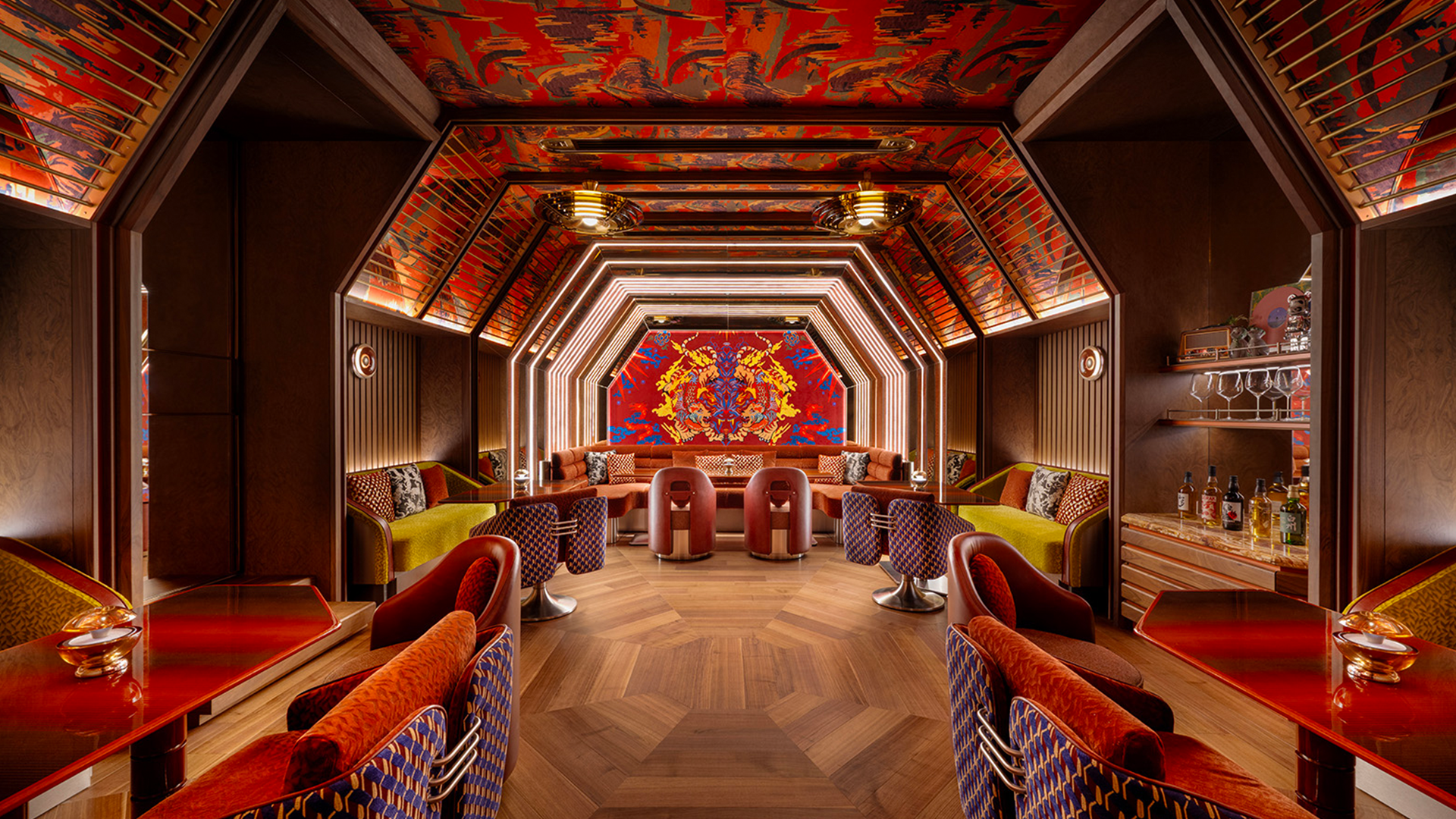
This is where the curator’s work begins: making sense of the business before making selections for it.
A brief might describe a brand as confident without being showy. Understanding that distinction means looking at how confidence appears in the service, the product and the space itself. The musical answer should feel connected to those decisions.
Design starts with understanding the problem, an approach set out in the Design Council’s Framework for Innovation. In music strategy, that involves listening to the people responsible for the brand, observing the environment and turning broad ambitions into a direction that can be discussed and tested.
Perhaps the music needs the warmth of older recordings without making the place feel nostalgic. A curator could build that connection through contemporary artists with a similar approach to instrumentation or production, giving the programme a sense of continuity across eras.
Genre labels offer only a partial account of what music expresses. A curator brings knowledge of the brand and its audience to the listening, giving them a reason to pursue a choice the data may not suggest. That involves an informed creative risk: understanding why a record could work, hearing it in context and being willing to reconsider. When it succeeds, an unexpected choice can give the room more character than another dependable selection. Knowing more music helps; knowing when to trust that judgement is where the expertise lies.

Curation is as much about what you leave out
As that direction takes shape, the exclusions become as revealing as the selections. A track may fit the genre and tempo yet carry a vocal that dominates the room. Another may work beautifully on its own but feel too sentimental alongside the surrounding music.
A musical identity needs boundaries. As with any strategy, choosing a direction means leaving some otherwise good options behind.
Those choices also need to hold over time. One familiar chorus may be welcome; hearing it again during the same shift is a different experience. Research into repetition and musical liking explores why exposure deserves more thought than simply repeating what people enjoy.
Staff are particularly useful listeners here. They hear patterns that a visiting customer may miss and can identify where a programme has become tiring or awkward to work around. Their feedback helps the curator judge the experience across a whole day.
The aim is a programme with a clear character and enough room to develop. Even then, it remains a proposal until it has been heard in the space.
Music only makes sense in context
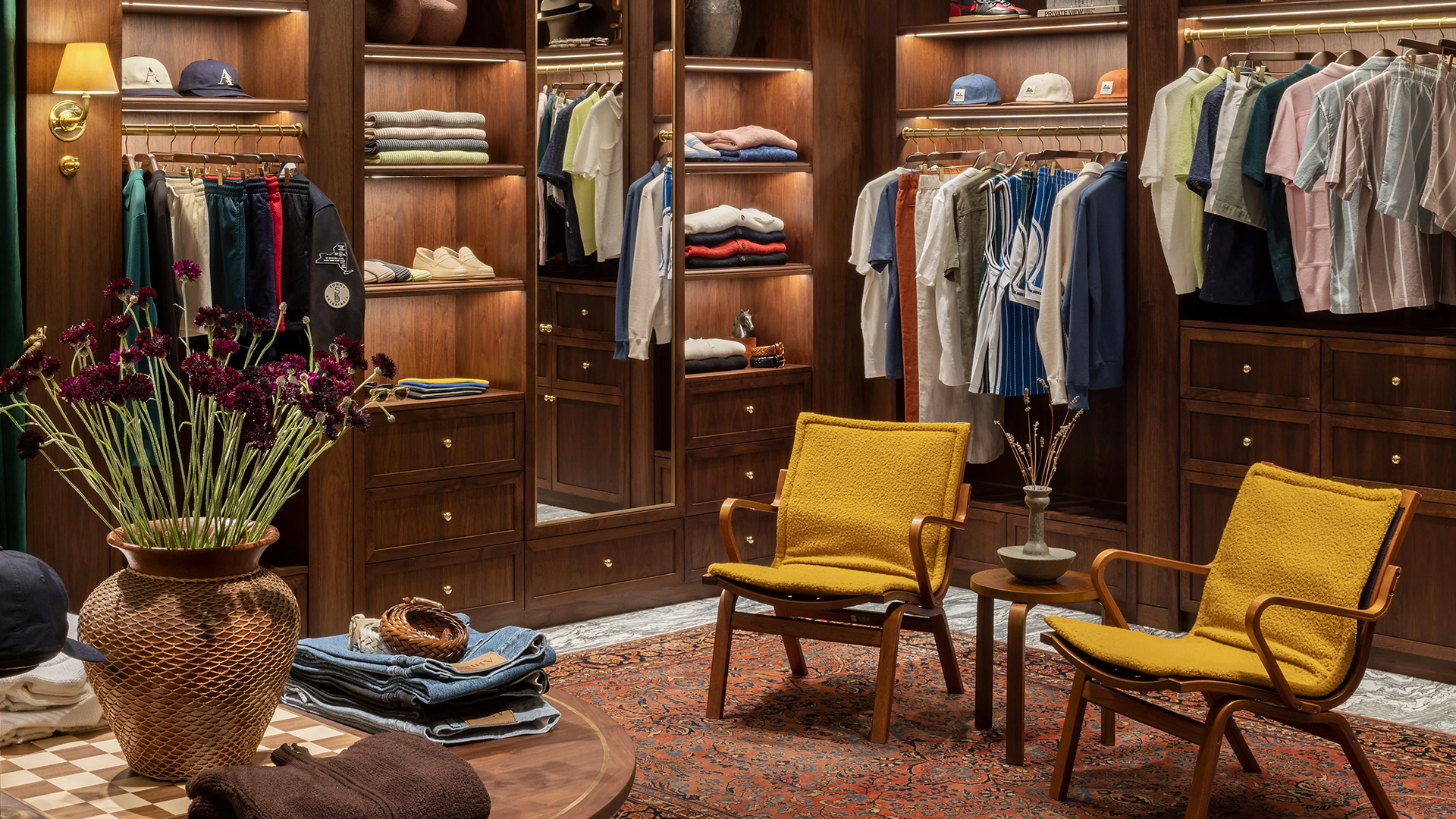
Through headphones, the balance may feel right. Through a speaker above a table, in a room full of reflective surfaces, the same recording can become intrusive. Add a busy service and the relationship between music, conversation and background noise changes again.
The ISO soundscape framework places context at the centre of how an acoustic environment is experienced. For the design team, that means evaluating what people actually hear from different positions in the room.
AV and acoustics are integral to that work. Speaker placement and coverage affect whether music reaches people evenly. Acoustic treatment can improve clarity, while appropriate zoning helps adjoining spaces maintain different atmospheres. Turning the volume down may ease one problem without addressing the reason it occurred.
The practical questions follow from the room’s purpose. Can guests speak comfortably? Can staff hear an order? Does the entrance still feel welcoming when the building is quiet? Our thinking on workplace atmosphere applies the same care to the different needs of focused and social areas.
Music direction, technical design and daily operation therefore need to be reviewed together. A programme that works in one room cannot simply be assumed to work in the next, even when both carry the same brand name.
Consistency without sameness
Across multiple locations, the task is to preserve a recognisable identity while responding to different buildings and audiences. Repeating the same selections everywhere can overlook those differences. Allowing each site to make its own decisions without guidance can gradually lose the connection between them.
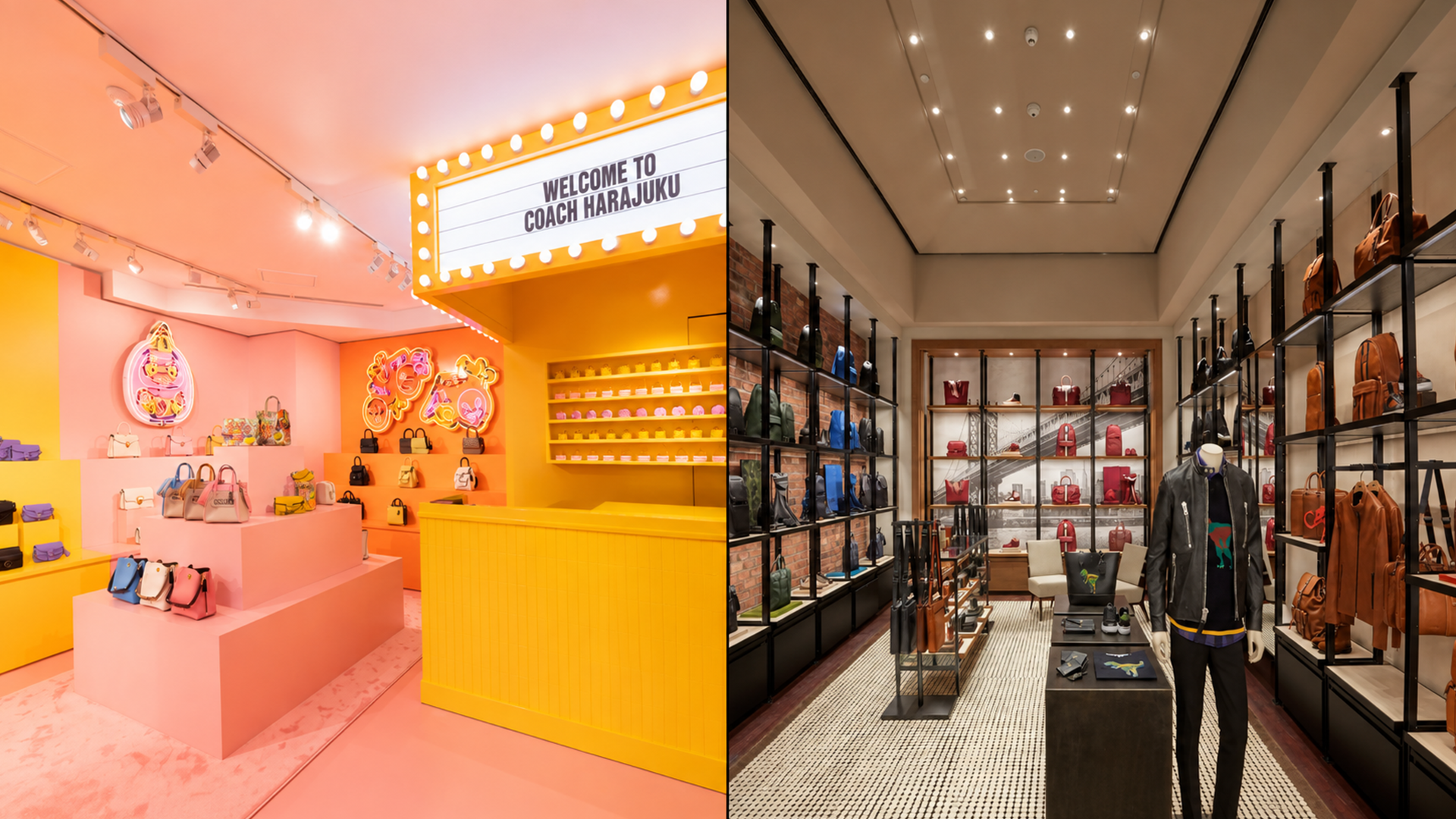
For Coach, we developed a global direction with tailored sound profiles across ten regions and different approaches for Retail, Outlet and Coach Play. A shared understanding of the brand gave the music its foundation, with room for interpretation across markets and store designs.
The same principle applies within a single property. A hotel has several atmospheres to consider, from breakfast to late drinks. Guests should feel a connection between them without every room carrying the same energy.
Making that flexibility work requires a clear operational structure. Local teams need to know what they can adjust, what should remain consistent and how to raise feedback. Updates then need to be heard together, so individually reasonable changes do not gradually pull the music away from its original direction.
This is an ongoing responsibility. It requires an understanding of the brand across the estate, and enough knowledge of each location to judge where a different approach would serve it better.
Culture cannot be reduced to metadata
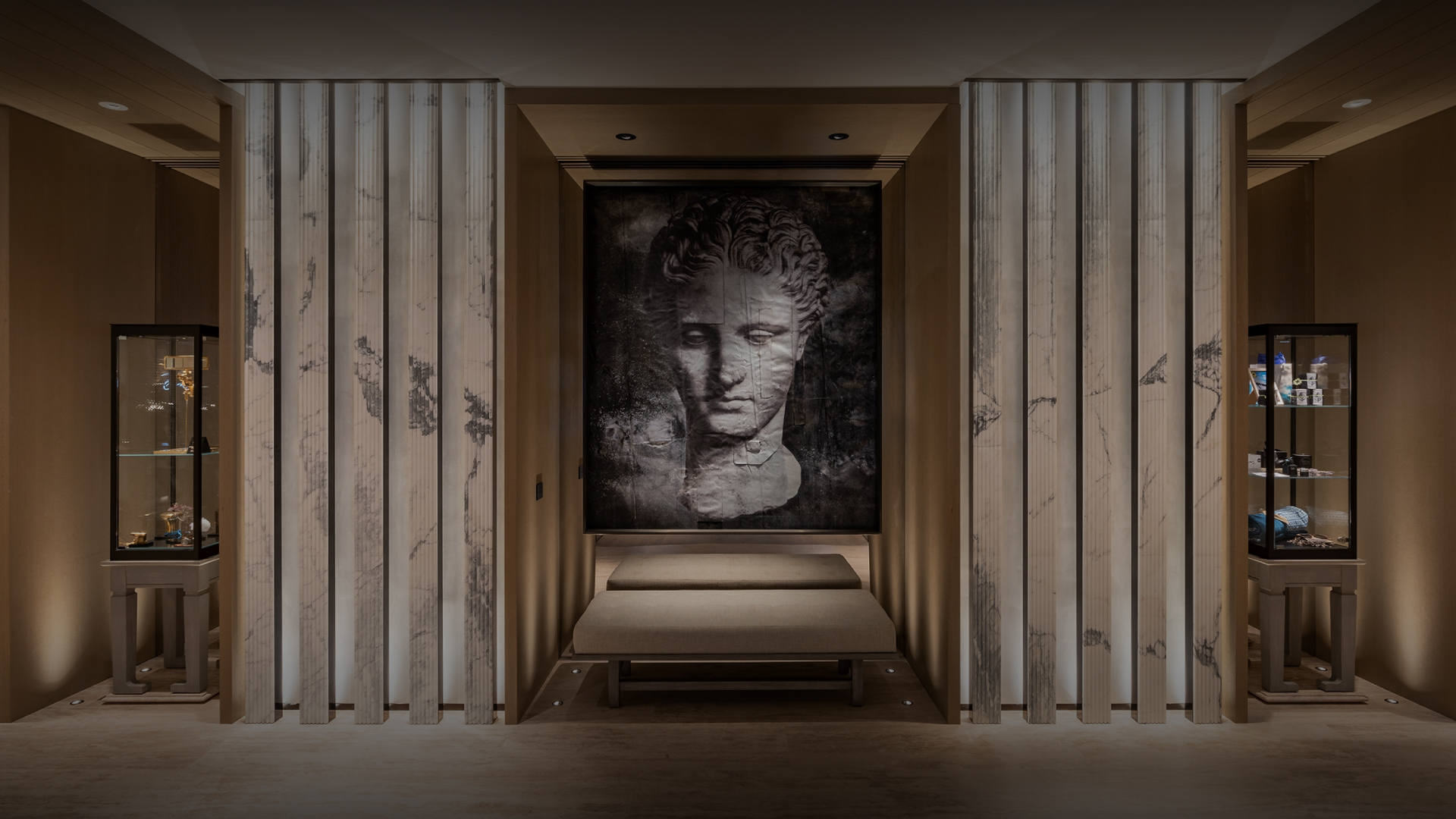
Local understanding is particularly important because music carries meanings that its catalogue description may barely touch. A track’s tempo stays the same when its cultural associations change.
Music belongs to communities and histories. UNESCO’s account of reggae music in Jamaica, for example, describes its roots in social commentary and the communities that shaped it. Treating that tradition simply as a relaxed rhythmic style would miss much of what it represents.
Even apparently straightforward preferences need context. A study of rhythm across 15 countries found both shared tendencies and variation linked to cultural experience. Research on consonance and dissonance also challenges the assumption that everyone responds to the same combinations of notes in the same way.
For a brand entering a new market, a handful of local artists will not necessarily make a programme feel informed. The choices need to reflect the audience, the character of the place and the relationship the business hopes to build there.
That calls for curiosity and a willingness to seek advice. A curator should know when to listen to someone with deeper local knowledge. Technology can help assemble references and reveal connections; deciding what those connections mean for the space still requires care.

AI should inform the decision, not become the decision
Used with that sense of purpose, technology can make the work more ambitious. AI can help curators explore a catalogue and identify connections worth investigating. Other tools can flag repetition, compare programmes across locations and deliver scheduled changes reliably, creating more time for listening and refinement.
Large datasets can be useful too. Research into daily and seasonal listening patterns shows how preferences vary over time. These findings can prompt useful questions about a programme, provided personal listening habits are not treated as instructions for a shared space.
The objectives behind a recommendation deserve equal attention. Systems serve different interests and priorities; a track that attracts individual listening does not necessarily make a better room for conversation. The business’s goals need to determine what counts as a good result.
Human involvement also needs substance. A review of human–AI collaboration found that combined systems did not consistently outperform the better of humans or AI working alone. Simply asking someone to approve the output is no guarantee of improvement.
For Altaura, human-led and technology-enabled means people establish the intention, investigate the suggestions and remain responsible for the result. The process should leave room to disagree with a recommendation, test an unexpected choice and learn from what happens in the building.
When everyone has the tools, taste becomes the advantage
As the tools improve, brands have more scope to be particular about what they create. The advantage comes from knowing which possibilities are worth pursuing and having the judgement to bring them together.
That does not require obscure music. Familiarity has its own pleasures and limits, and a well-known song can contribute to a highly individual atmosphere. Its value depends on the company it keeps and the moment in which it appears. Good taste remains attentive to music, behaviour and brand fit, so the creative direction serves the business as well as the listener.
The ambition is a place that feels like itself. Music should make sense alongside the design and service, with enough character to be remembered and enough care to work every day. Human curation keeps that ambition in view through all the small decisions that follow the original brief.
Technology raises the baseline. Human judgement raises the ceiling.
What should it feel like to be here? And what could we play that makes the experience unmistakably ours?
If you are designing a new space or reconsidering an existing one, talk to Altaura. We work with brands and design teams to connect music strategy, acoustics and AV with the experience they want to create. Tell us about your space, how you want people to feel and behave within it, and the business goals you want the experience to help deliver.