How to Build a Retail Music Strategy That Actually Works
Learn how to build a retail music strategy that uses brand, space, energy, volume and staff feedback to create a more intentional in-store atmosphere.

A strong retail music strategy does not start with songs. It starts with a clear decision about what the space should feel like, who it is for, and what music needs to do in the room.
This article follows on from The Silent Cost of Bad Retail Music, which looked at how the wrong music can affect atmosphere, customer behaviour, staff experience and brand perception.
This is the practical companion: what actually goes into a strategy, from the space and the customer journey to energy, volume, dayparts, staff controls and ongoing management.
The aim is not just to create a playlist that sounds good. It is to build a system that makes the music feel intentional, appropriate and recognisably connected to the brand.
For a single independent shop, that may mean one carefully controlled atmosphere that works across the whole space. For a multi-site retailer, it may mean a more flexible system that adapts across store formats, regions, customer moments and dayparts.
Either way, the starting point is the same.
What should this space feel like?
That question matters because music is rarely neutral. It can influence how long people stay, how comfortable they feel, how they perceive the brand, and whether the atmosphere feels considered or accidental. Philip Kotler’s foundational work on atmospherics as a marketing tool argued that the designed environment can shape how customers experience a commercial space, while later reviews of store atmosphere and shopping behaviour have explored how environmental cues influence customer evaluations and behaviour.
For most retailers, the challenge is not understanding that atmosphere matters.
The challenge is knowing what to do with it.
A strategy is a decision system, not a playlist
A playlist is a collection of songs. A strategy decides what the brand should sound like, what energy the customer should feel, and what should never appear in the environment.
That distinction matters, because a playlist can sound good in isolation and still be wrong for the shop. Too cool for the customer, too repetitive for the staff, too relaxed for peak trade, too energetic for a premium product, too generic to build any brand association.
The right music is not simply music people like.
It is music that fits.
That idea of fit is well supported. In a well-known study on in-store music and product choice, French and German music influenced whether shoppers bought French or German wine, showing how musical cues can affect product selection in ways customers may not consciously notice. Ronald Milliman’s research into background music and supermarket behaviour also found that music tempo could significantly affect the pace of in-store traffic flow and dollar sales volume.
Music is rarely just background. It shapes behaviour whether or not anyone is paying attention to it, which is exactly why it should be designed rather than left to chance.
Translate the brand into sound
Before genres, artists or playlists, a strategy translates the brand into musical terms.
What should the brand feel like in the room? Calm, confident, expressive, playful, minimal, luxurious, youthful, local, familiar, unexpected. Each direction suggests a different sonic world.
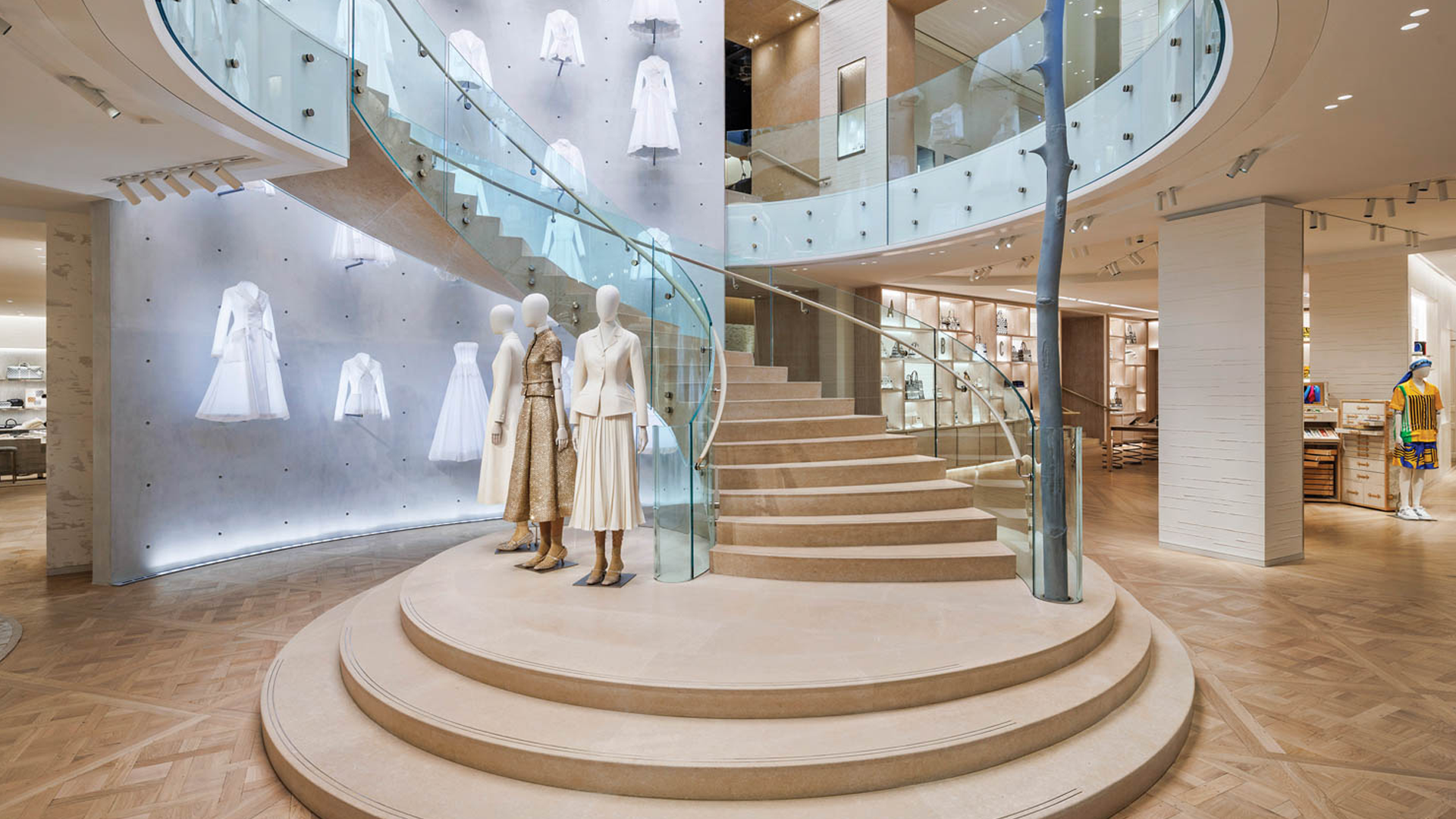
A luxury boutique, a lifestyle store, a sports retailer and a local independent may all use music, but its role should differ. In one space, music may need to slow the customer down and create calm confidence. In another, it may need to add momentum and sociability. The goal is not a soundtrack that simply sounds good. It is a sound world that supports the visual identity, product positioning and emotional tone of the space.
This is the core of sensory marketing: using sensory cues to influence perception, judgement and behaviour. Sound does not operate on its own. It works alongside lighting, materials, layout, scent, service, product display and the wider physical environment.
That is why a music strategy should begin with brand behaviour, not music taste.
Taste is personal. Fit is strategic.
A founder, a manager and a staff member will all have preferences, and a strategy gives them a better shared question than “do we like this song?”
The better question is whether the music supports the brand, the space and the customer moment.
That single shift moves the decision away from preference and toward fit, and it is one of the most useful habits a team can build.
Start with the space
The physical environment comes before the playlist.
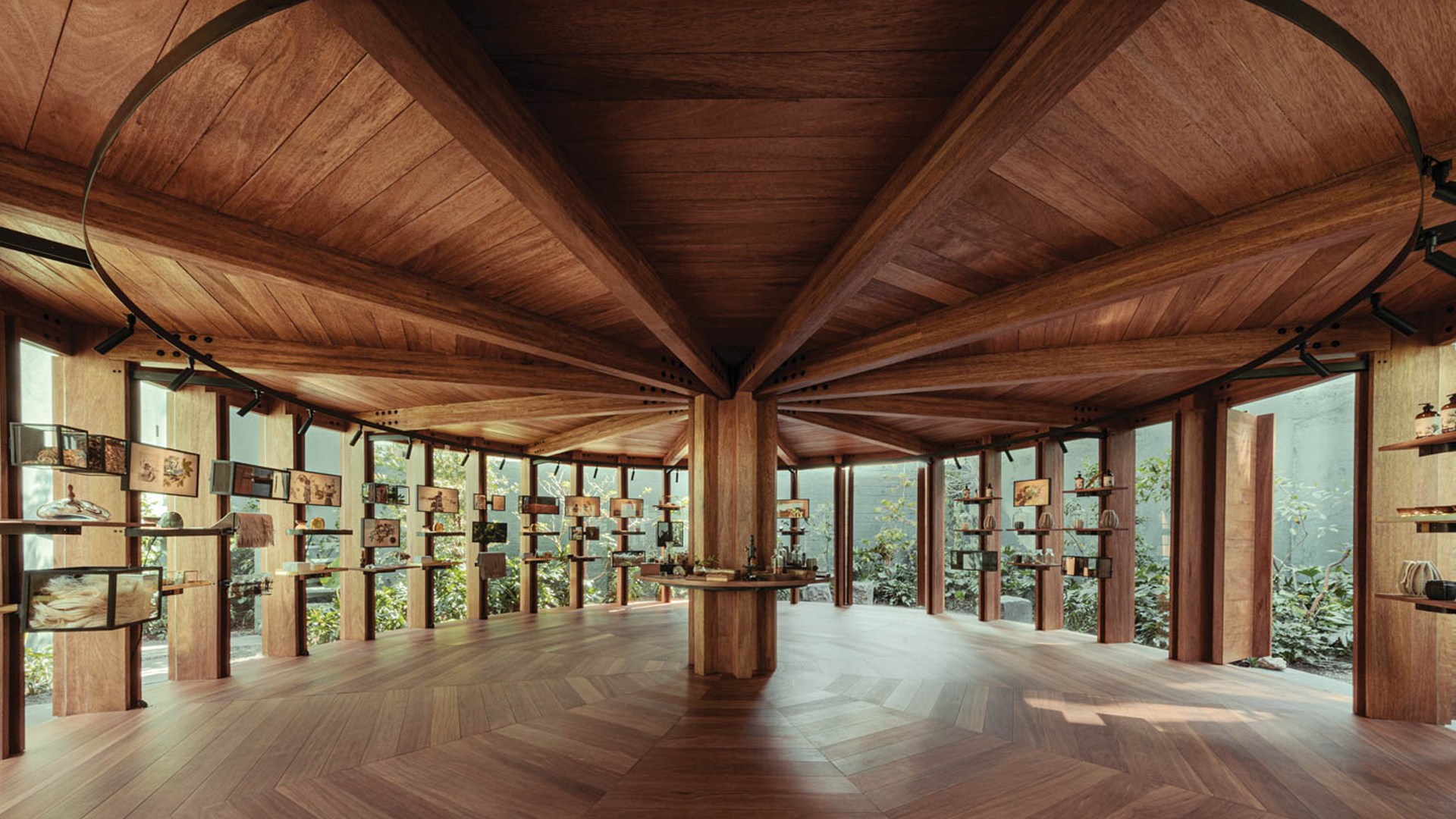
A single-room shop, a flagship, a high street unit, a concession and a showroom all behave differently. Some have one clear journey. Others include entrances, fitting rooms, consultation areas, cafés, tills and quieter corners.
For one-space retail, the focus is consistency, comfort and brand clarity. One direction has to support the whole experience without pulling the room apart. For multi-site retail, the focus is consistency with flexibility. Different formats and trading moments may need different energy, but they still need to feel like the same brand.
This is where retail music becomes spatial. It is not only about what tracks are playing. It is about what the customer is doing while they hear them.
A store where people browse slowly needs a different approach to one designed for quick movement. A premium appointment space needs a different level of musical density from a busy weekend shop floor. A fitting room needs a different kind of comfort from an entrance. A till point needs clarity, not clutter.
The music should respond to the way the room is used.
Design for who the space is for, and how they move through it
A good strategy considers the customer without simply chasing their personal taste.
Demographics help, but mindset matters more. Are they browsing or shopping with intent? Alone, with friends, with children? Spending five minutes or forty? Do they need reassurance, energy, inspiration, efficiency or escape?
The best retail music is not the customer’s favourite music. It is the music that helps them feel they are in the right place.
Even a small shop has distinct moments, and music should support that journey without changing for its own sake. The entrance sets the tone and signals whether the brand feels relaxed, premium, youthful or expressive. Browsing needs balance, comfortable enough to encourage time in the space without becoming tiring.
Research into music in retail settings has shown that music can affect both real and perceived shopping time, which is why browsing music repays careful handling. Studies testing environmental psychology in retail settings have also shown how store atmosphere can influence emotional states such as pleasure and arousal, which in turn affect intended shopping behaviour.
Fitting rooms and consultation areas need particular care. These are exposed moments where people make personal decisions or consider higher-value purchases, and music that is too loud, too sparse or too lyrically distracting can make them less comfortable.
Checkout should feel clear and easy. Harsh or loud music at the till adds friction at the exact point the experience should feel smooth.
In a small store, one direction may have to carry all of this. That does not mean bland. It means balanced.
Treat energy as a variable, not a setting
One of the biggest mistakes in retail music is treating energy as fixed.
Some stores stay flat all day. Others run hot from open to close. Both are usually wrong.
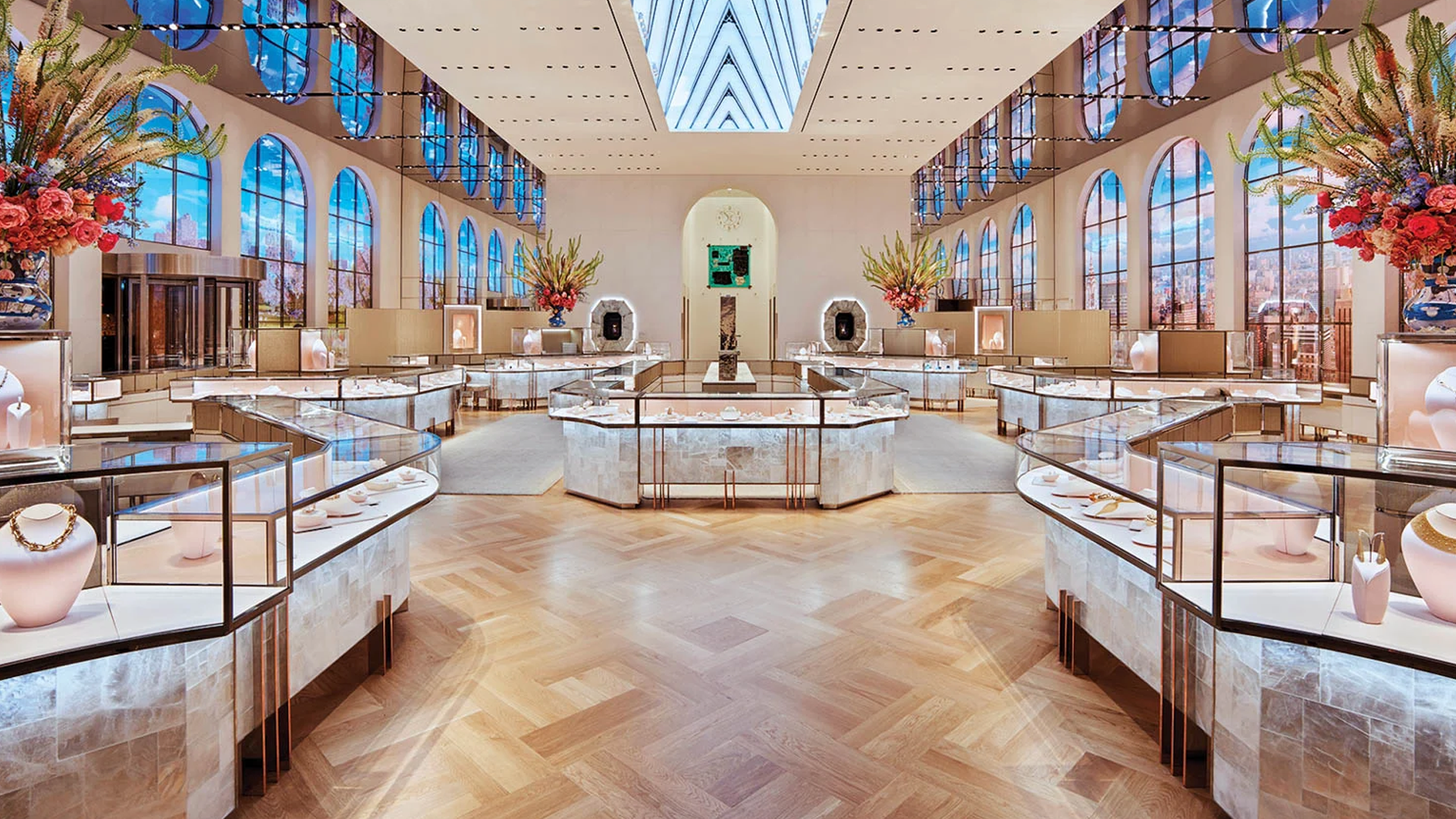
Energy should follow the rhythm of the store. A quiet Monday morning does not need the Saturday afternoon soundtrack. A premium appointment does not need launch-day energy. A relaxed browsing environment does not need the same intensity as a high-footfall sale period.
For a smaller shop, that might mean a gentle shift between opening, main trade and end of day. For a larger store, it might mean detailed dayparts across mornings, lunch, peak trade, weekends and seasonal campaigns.
The point is not constant change. It is making the space feel alive at the right moments.
Good dayparting is about behaviour, not just the clock.
Write a brief before you build playlists
A clear brief gives the strategy structure and makes creative decisions easier to judge.
It defines the role music should play before anyone starts choosing tracks. That might include the brand feeling, customer profile, space type, desired energy, dayparts, genre direction, artist references, vocal guidance, exclusions, volume principles, refresh frequency and staff feedback process.
This is not rigidity. It is clarity.
A strong brief protects the brand from drifting into music that is merely fashionable or personally preferred. It also helps future updates stay connected to the original strategy.
Without a brief, music decisions can become reactive. Someone dislikes a track, so it is removed. A manager wants more energy, so the whole room gets pushed harder. A new playlist sounds good for one moment but does not work across the day. A seasonal campaign changes the visual environment but leaves the sound untouched.
A brief gives the team a way to make decisions consistently.
Define what the brand should never sound like
Most brands spend time defining what they like.
Far fewer define what is wrong for them, and that is a missed opportunity.
A strong strategy includes exclusions. These are not just banned songs. They are boundaries that protect the brand.
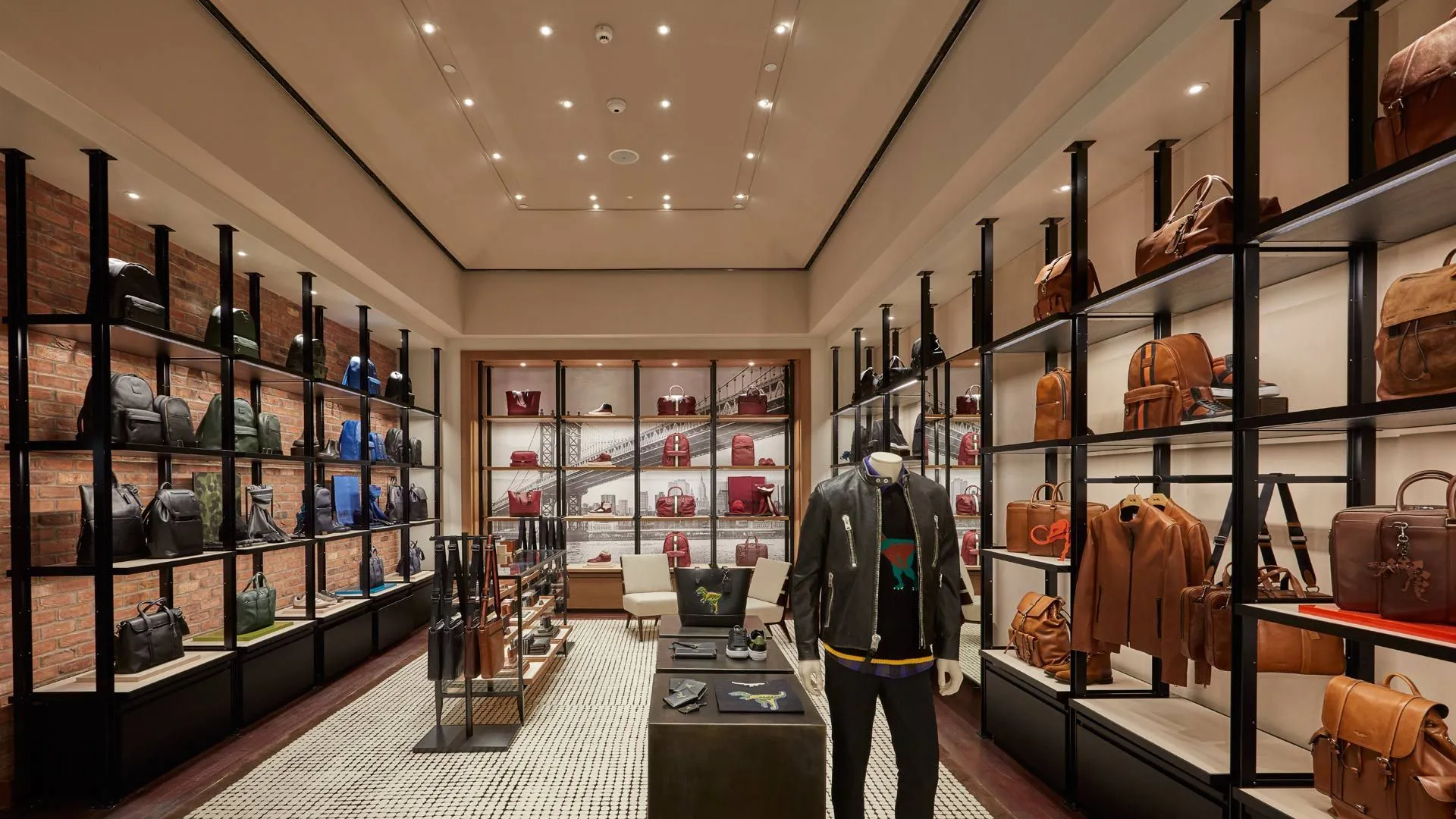
Music can feel too cheap for the product, too aggressive for the customer, too slow for peak trade, too mainstream for a niche brand or too obscure for a broad audience. Lyrics can be inappropriate for the environment. Certain genres can clash with the visual identity, or quietly make the space feel older, younger, colder or busier than intended.
This is especially important because music carries cultural meaning. It brings associations with age, place, status, fashion, memory, subculture and behaviour. A track may be musically good, but still carry the wrong signal for the room.
Exclusions give a team the shared language to ask the only question that matters.
Does this belong in this space?
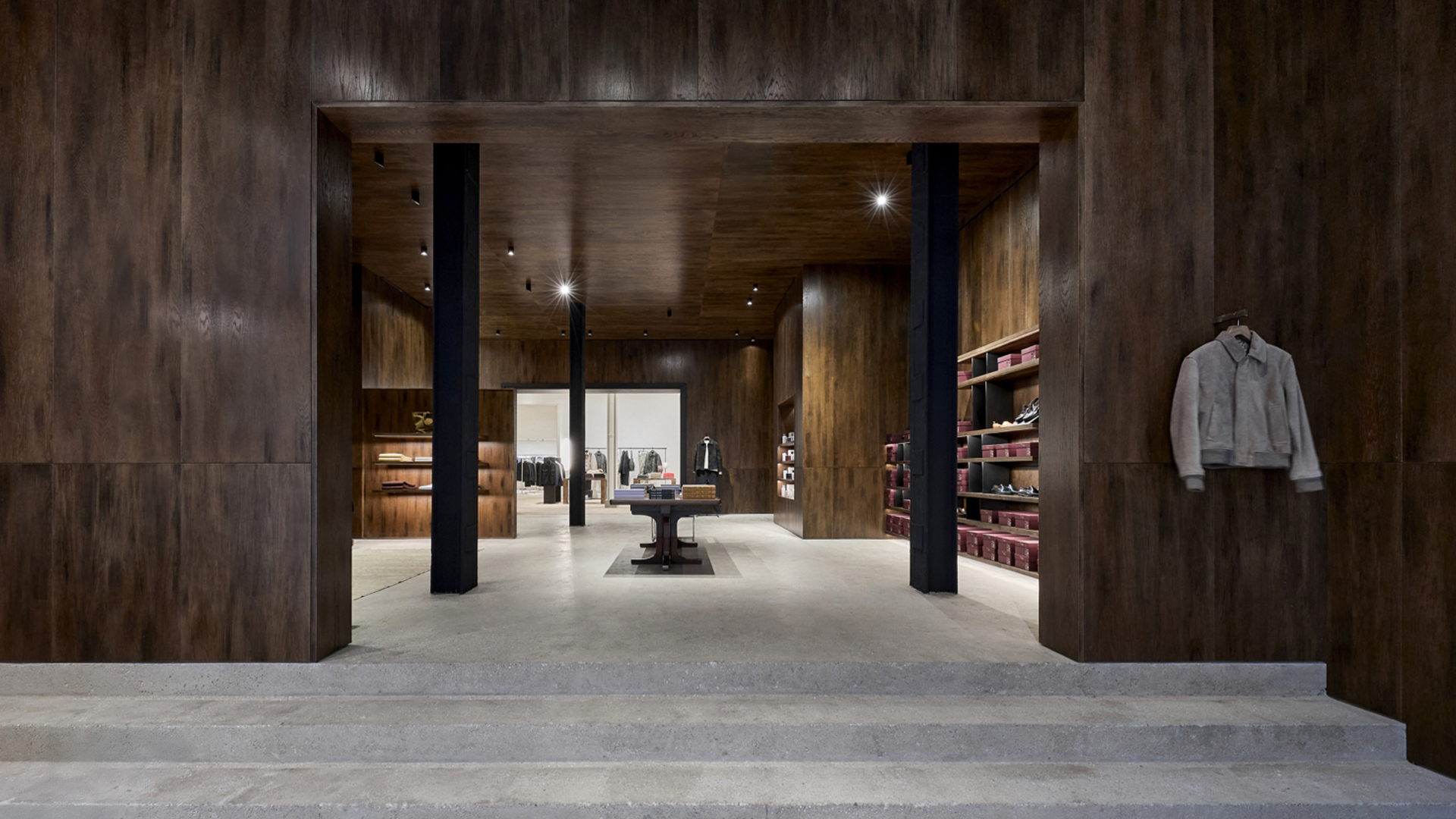
Volume is part of the strategy
The right song at the wrong volume is still wrong.
Retailers often focus on what is playing and overlook how it is experienced in the room. The problem may not be the playlist. It may be speaker placement, level, acoustic treatment or uneven coverage.
A store can be too loud at the entrance and too quiet at the back. Fitting rooms can feel exposed when sound does not reach them. Tills become stressful when speakers sit too close to staff. Hard surfaces make music sharper and more tiring than intended.
Sound is physical, and it behaves differently in every space.
As retail leans further into experience, sensory comfort and accessibility matter too. Coverage of neurodiversity and retail environments has highlighted how loud music, bright lighting and other sensory inputs can overwhelm some shoppers, particularly neurodivergent customers. More recent reporting on designing stores for neurodivergent shoppers also points to sound quality, lighting, spatial flow and sensory load as part of a more inclusive retail experience.
The answer is not silence. It is intention.
Volume, density and intensity should all be deliberate, and music strategy and sound system design should never be treated as separate conversations.
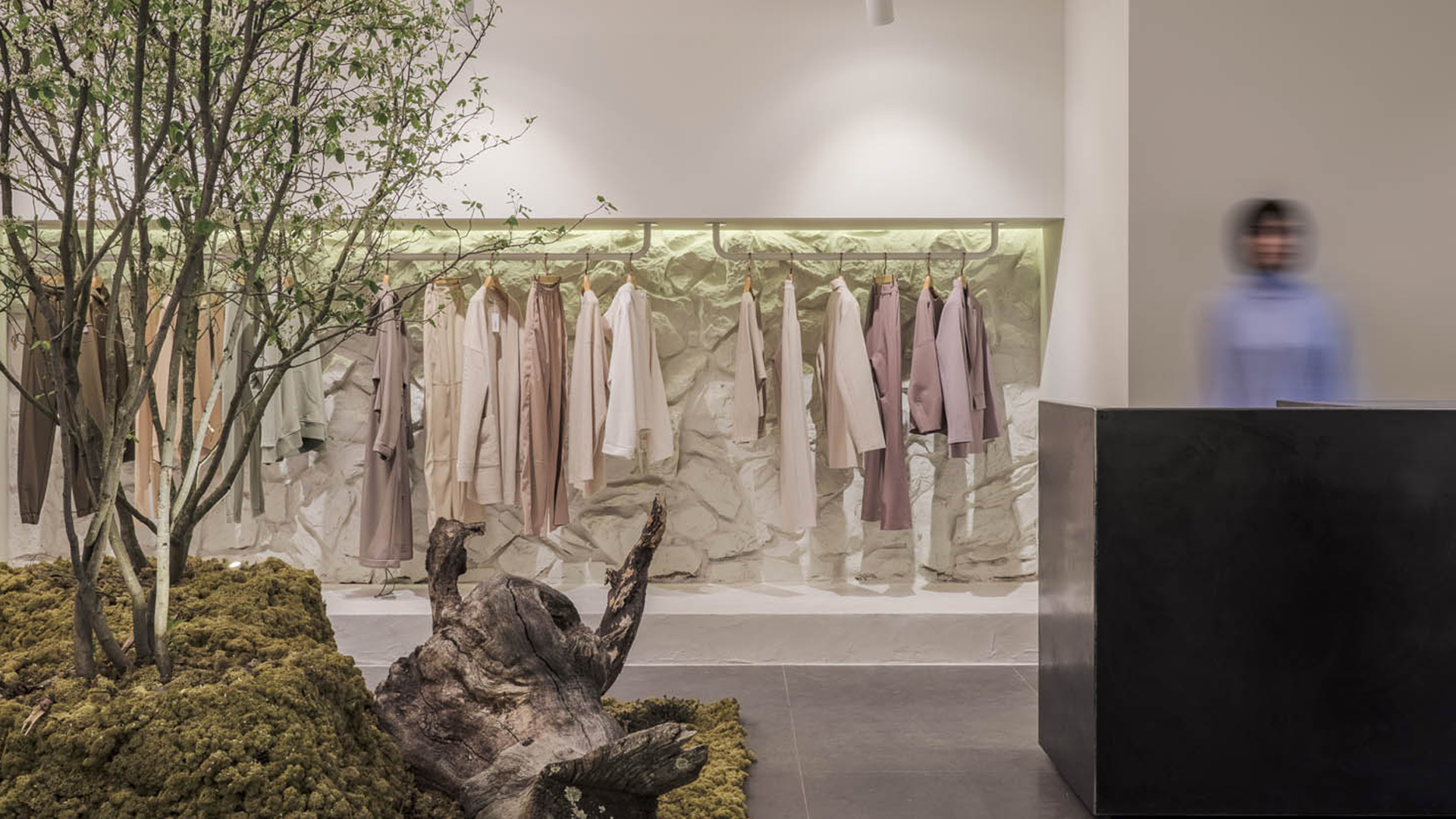
Keep staff in the strategy
Customers might hear the music for twenty minutes. Staff hear it for eight hours.
If it is repetitive or uncomfortable, they will respond eventually, turning it down, switching the source or switching it off. When that happens, the brand loses control of the atmosphere.
That does not mean staff should have no say. Store teams often give the best feedback because they know the rhythm of the space, when it feels flat and when the music is too much.
The answer is a clear framework.
Smaller shops may only need direction, simple volume guidance and a way to feed back. Larger brands may need regional reporting, central governance, localisation rules and escalation for technical faults.
This matters because music can easily drift in operation. Staff may switch to personal playlists. Managers may adjust the atmosphere based on individual taste. Different stores may start to sound like different brands. Volume may be changed without guidance. Campaigns may launch without the music shifting to support them.
The aim is not to control every moment.
It is to stop the music drifting away from the brand.
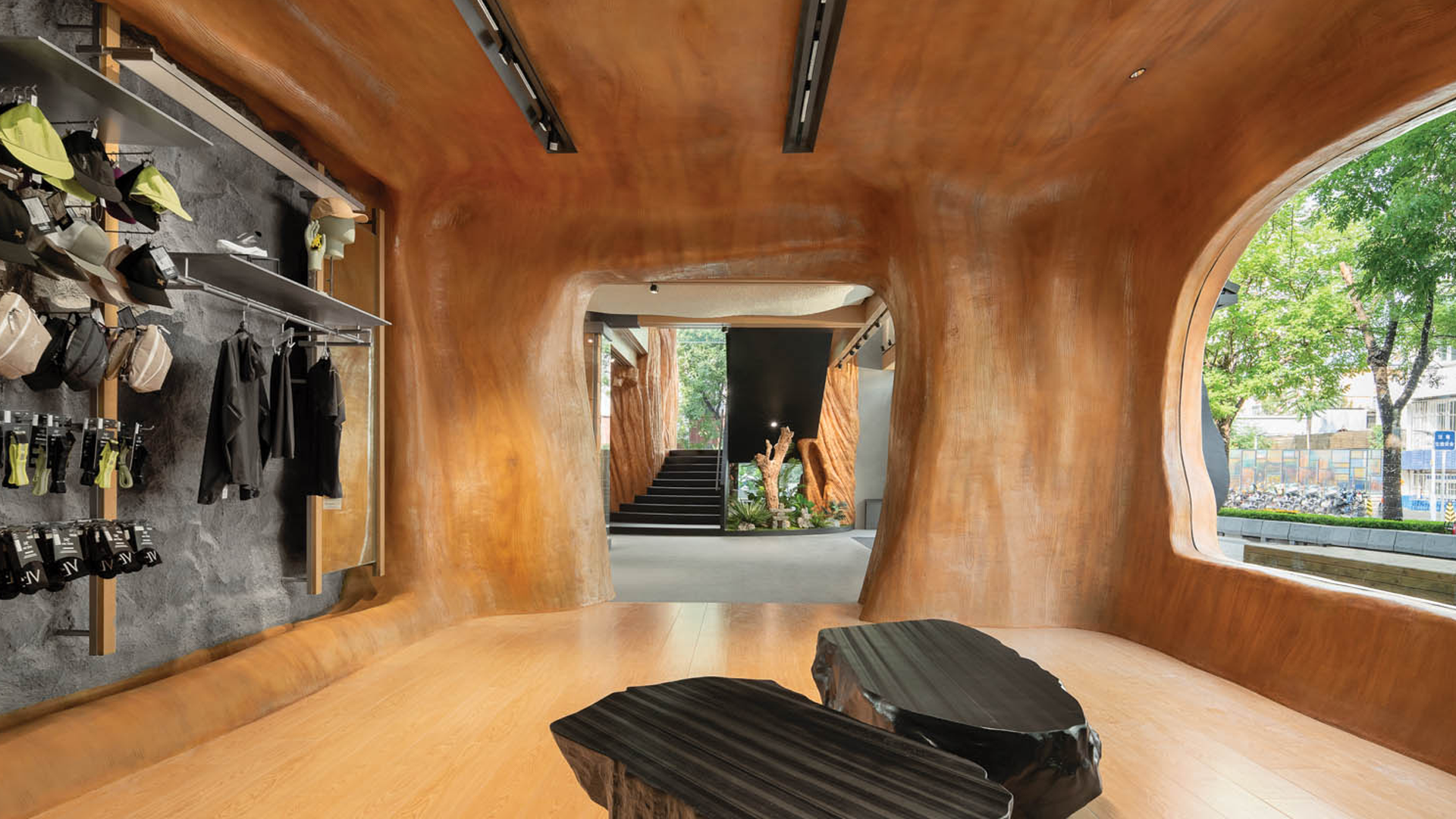
Refresh without losing consistency
Music needs to stay fresh.
When tracks repeat too often, staff notice first and regular customers follow. The sound goes stale even if the original choice was right.
But freshness is not randomness.
A strategy should define how often music updates and what kind of change fits, with room for seasonal shifts, launches and local moments. New music should still belong to the same world.
Consistency does not mean the same songs forever.
It means the same brand feeling over time.
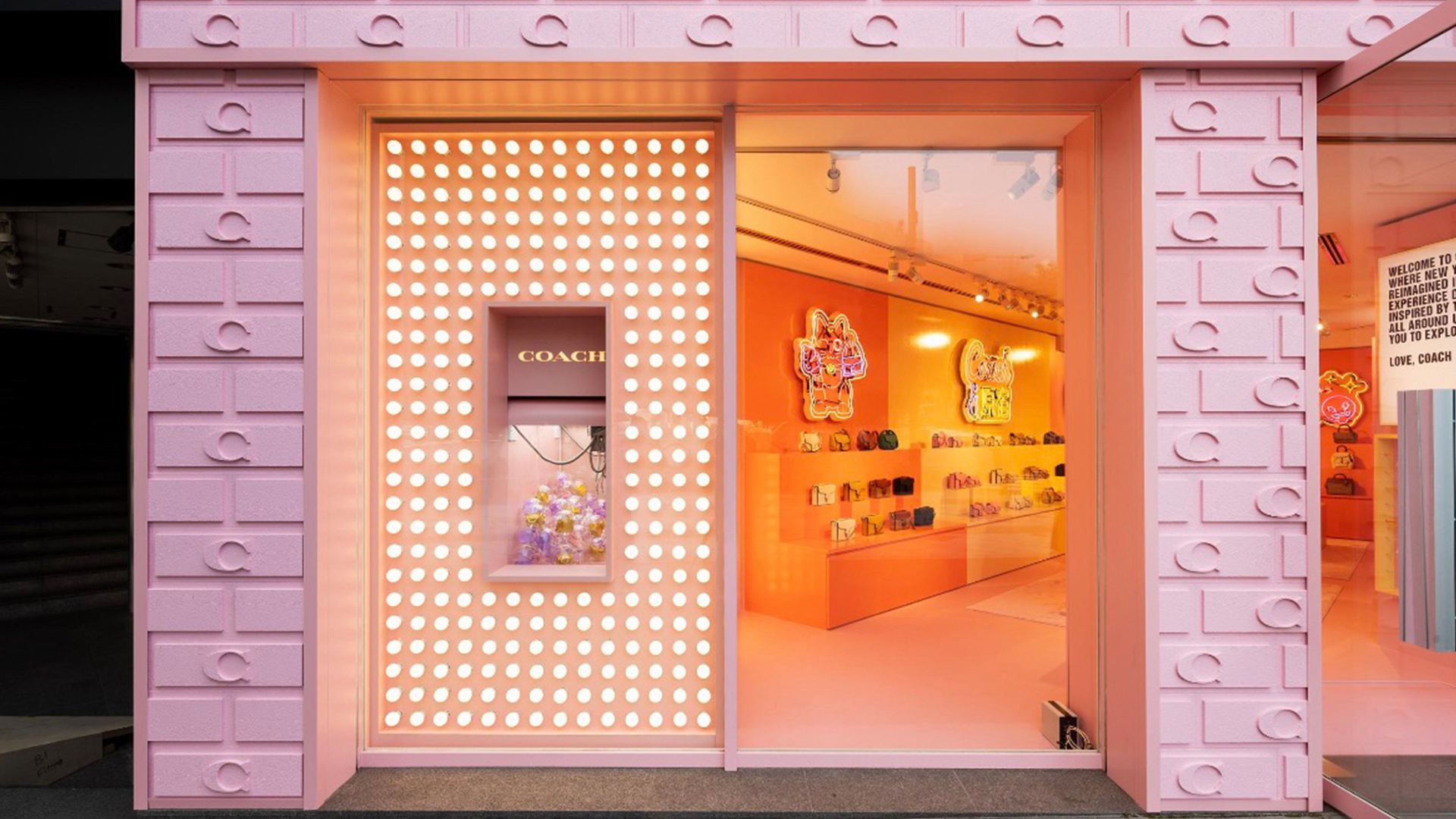
One site or many
For one shop, the strategy is more focused but still needs clear decisions. The music has to support how people actually use the space, sit at the right volume, stay fresh and feel comfortable for customers and staff alike.
For many stores, the strategy becomes a brand system.
The brand should feel consistent everywhere without every store sounding identical. A flagship may need more depth, a smaller store more simplicity, a shopping centre location more energy, a regional store more local relevance, a premium format more restraint.
The challenge is cohesion without flattening every store into the same experience.
This matters because consistency is not the same as uniformity. A brand can have a recognisable sonic identity while still responding to different formats, audiences and locations.
Common mistakes
Most retail music problems come from small decisions that compound.
The music is chosen by personal taste. One generic playlist runs all day. Staff fatigue is ignored. Volume is an afterthought. Fitting rooms are treated like the shop floor. Playlists are not updated. Every store drifts into its own sound.
Sometimes the playlist is blamed when the sound system is the real fault. Sometimes the system works but staff have no guidance. Sometimes a campaign launches visually while the atmosphere stays exactly the same.
The fix is rarely more music.
It is clearer thinking and a stronger link between brand, space and operation.
What to measure
Not every retailer has perfect data, and that is fine.
The point is to observe and improve.
Staff feedback, customer comments, volume complaints, dwell-time indicators, manager notes, footfall and sales patterns by time of day, playlist skips, campaign performance and mystery shopper feedback can all help show whether the music is supporting the environment.
Altaura has written previously about measuring the impact of in-store music, including brand fit, customer experience and commercial performance. Music alone does not control every outcome. It does not.
But music is part of the system.
If a retailer measures lighting, layout, merchandising and service, it should pay attention to sound too.

A simple checklist
Before reviewing or launching retail music, ask:
- What should this space feel like, and is the music supporting the brand or just filling silence?
- Does the sound match the customer journey, and is the energy right for the way people shop?
- Does one space work, or does the store need different zones?
- Have we defined what should never be played?
- Is the volume comfortable, and does the sound system support the experience?
- Can staff give feedback and make changes without taking the store off-brand?
- Is the music refreshed often enough, and can the strategy scale as more stores open?
- Does the sound feel intentional?
Retail music should feel effortless to the customer, but effortless is not the same as accidental.
Behind the right atmosphere is a set of clear decisions about who the space is for, how the brand should feel, what energy is needed and how the music evolves.
For a single shop, that may be one carefully designed sound world. For a larger retailer, a scalable system across locations, formats and moments.
In both cases the purpose is the same.
Music should support the space, the customer and the brand.
When it does, it stops being background sound and becomes part of the retail experience.
If you are reviewing how your retail spaces sound, reach out to Altaura to turn music into a practical system for atmosphere, customer experience and brand consistency.