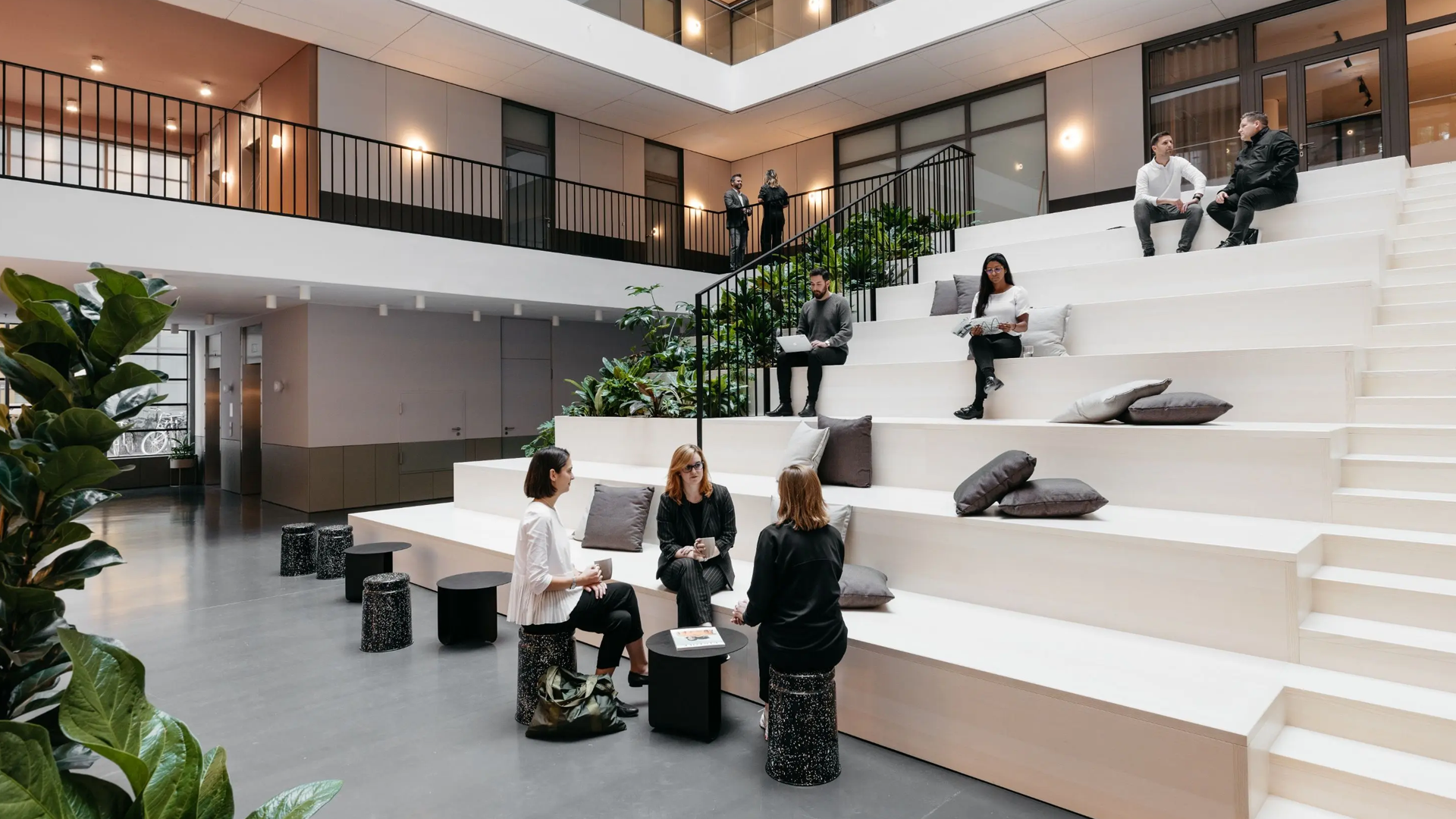
The Office Needs a Sound Brief
How music curation, acoustics and the science of listening can reduce distraction and create workplaces that support conversation, focus and comfort.

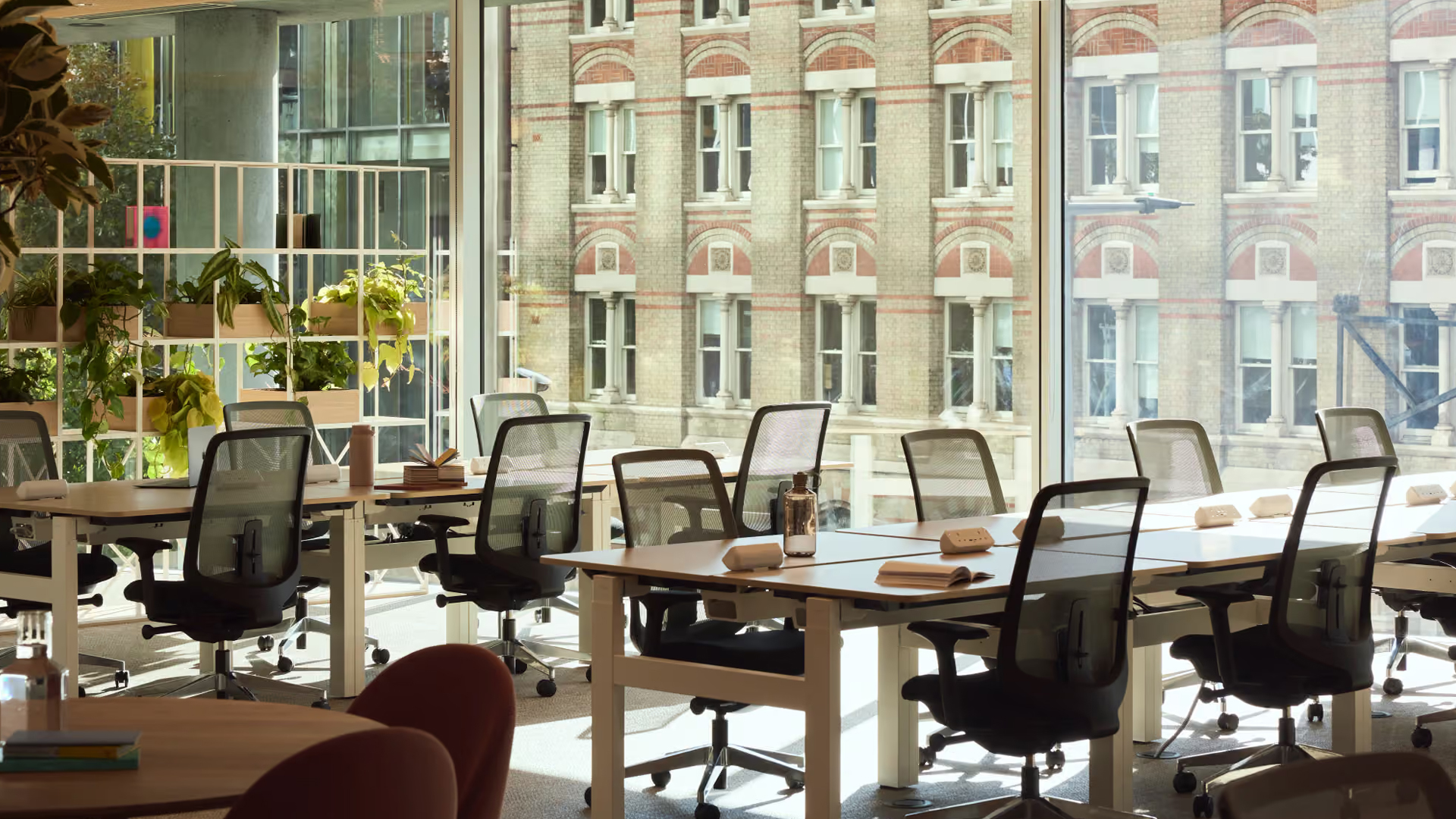
Altaura contributed as a peer review partner to Gensler and Delhom Acoustics’ research into workplace sound. Most respondents described their workplaces as moderately loud, yet 40% said noise regularly distracted them. A carefully curated soundscape can relieve some of that friction. Calibrated masking can make distant speech less distracting, while well-chosen music can give a shared room character and still leave space for conversation. Even a short break can feel different when someone has the option to change what they hear. Designing for those outcomes starts with understanding what draws our attention and how much effort it takes to listen.
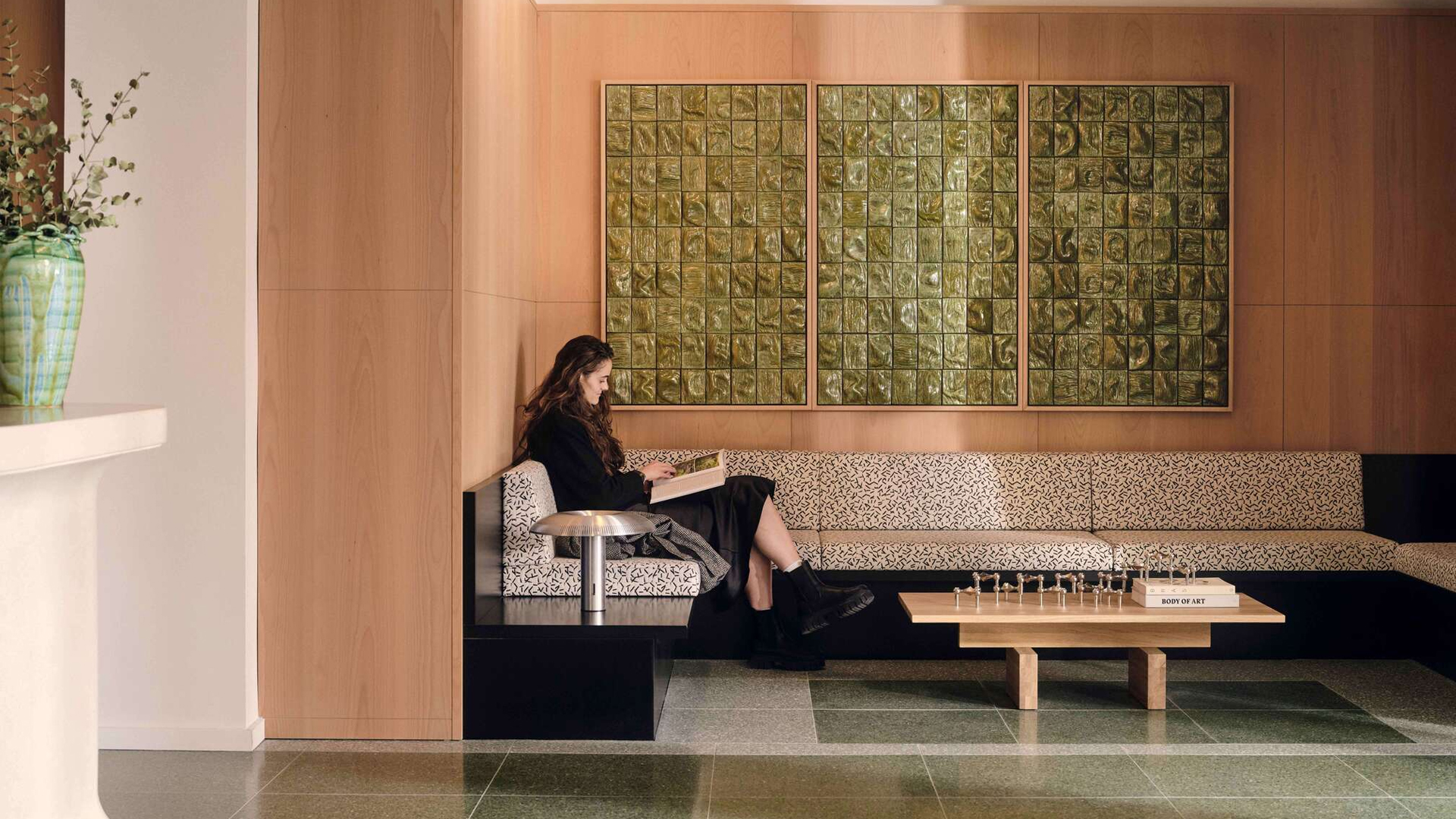
Imagine two people in a work café. One is leaning towards a colleague to catch what they’re saying. A few metres away, someone is reading the same sentence for the third time because they can still follow that conversation. Both are having trouble concentrating on what’s in front of them. One needs the words to come through more clearly. The other needs them to fade into the room.
In From Noise Control to Workplace Atmosphere, we made the case for treating sound as part of workplace design. The published research gives us a chance to look more closely at what happens between the sound and the person hearing it, and how that should inform decisions about everything from the ceiling plan to the next track.
Why a busy room can make itself louder
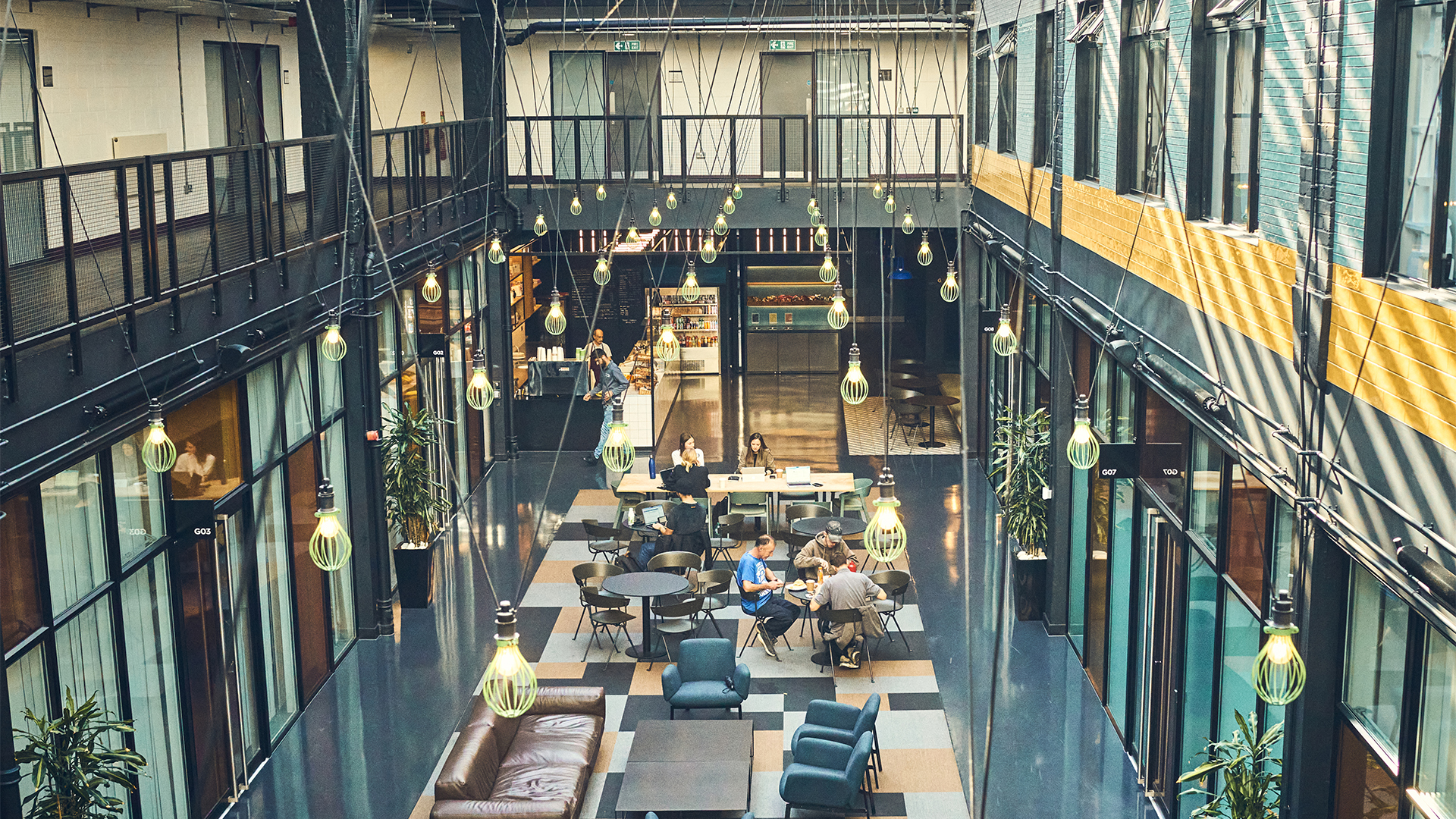
The Lombard effect is our tendency to raise our voices as the sound around us increases. At a busy lunch table, one group speaks up to be heard, adding to the background for the next table, where people begin to do the same. Laboratory experiments have measured that change in vocal effort, and measurements in ten eating establishments helped researchers model how it builds across an occupied room.
That feedback loop is worth thinking about when setting music levels in a work café. As the room fills, conversation is already supplying much of its energy. Turning the music up to keep it audible may give people one more thing to speak over. We’d judge the programme from a seat at an occupied table, with conversations going on around us. If you have to lean in, repeat yourself or wait for a chorus to finish, you’ve learnt something about the setting that an empty-room soundcheck would miss.
The finishes influence how far the effect can go. In a field study that varied sound absorption in open-plan offices, better acoustic conditions were associated with lower reported disturbance and cognitive stress. Absorption limits the build-up of reflected sound, while a more restrained music setting leaves more room for speech at the table. Together, those decisions can help a busy room feel lively and still be easy to talk in.
Hearing the words is only part of listening
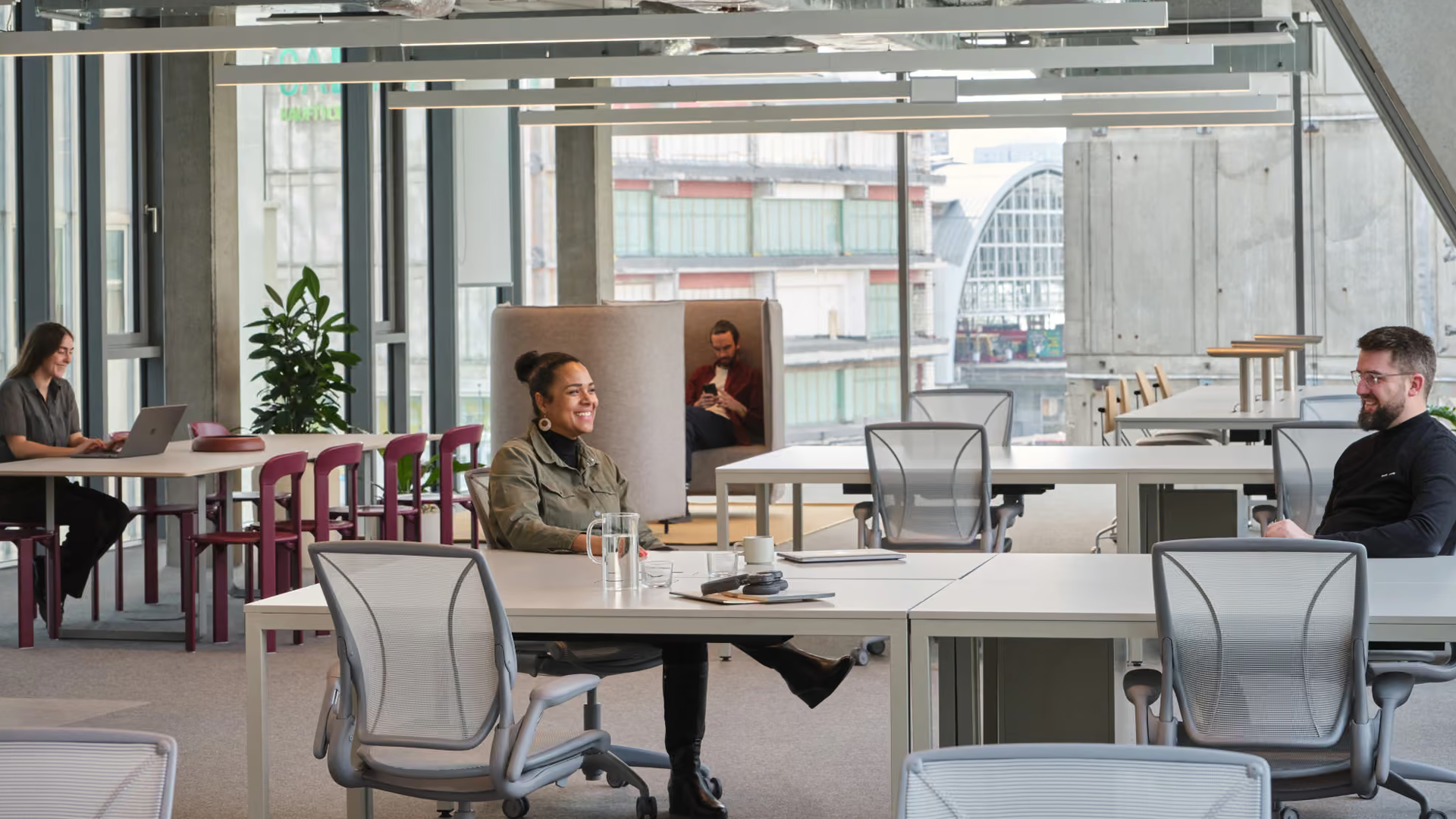
Speaking up is the most obvious sign that a room is getting harder to use. The person across the table may also be working harder, even if they catch every word. In a laboratory study that made sentences progressively harder to distinguish from background noise, listeners’ pupils dilated more in the harder conditions, an indicator of increased listening effort. Another experiment found greater effort among people listening in a second language even when they understood a similar proportion of the speech.
That effort can matter after the conversation, too. In an experiment with older adults, people with different levels of hearing acuity could identify the most recent words, yet those with poorer hearing recalled fewer of the earlier ones. The researchers attributed that difference to the extra effort of perceiving the speech. It’s a useful distinction at work, where people are often listening while taking notes, reading a screen or deciding what to say next.
It also changes who we should ask to judge a room. The project team may spend twenty minutes there during a walkthrough, while the reception team listens across the same counter all day. Ask how easy it was to follow a conversation and where people found themselves working harder. Their answers can point to a precise change, such as adjusting a speaker near the counter so that staff can hear visitors comfortably while music still carries through the welcome area.
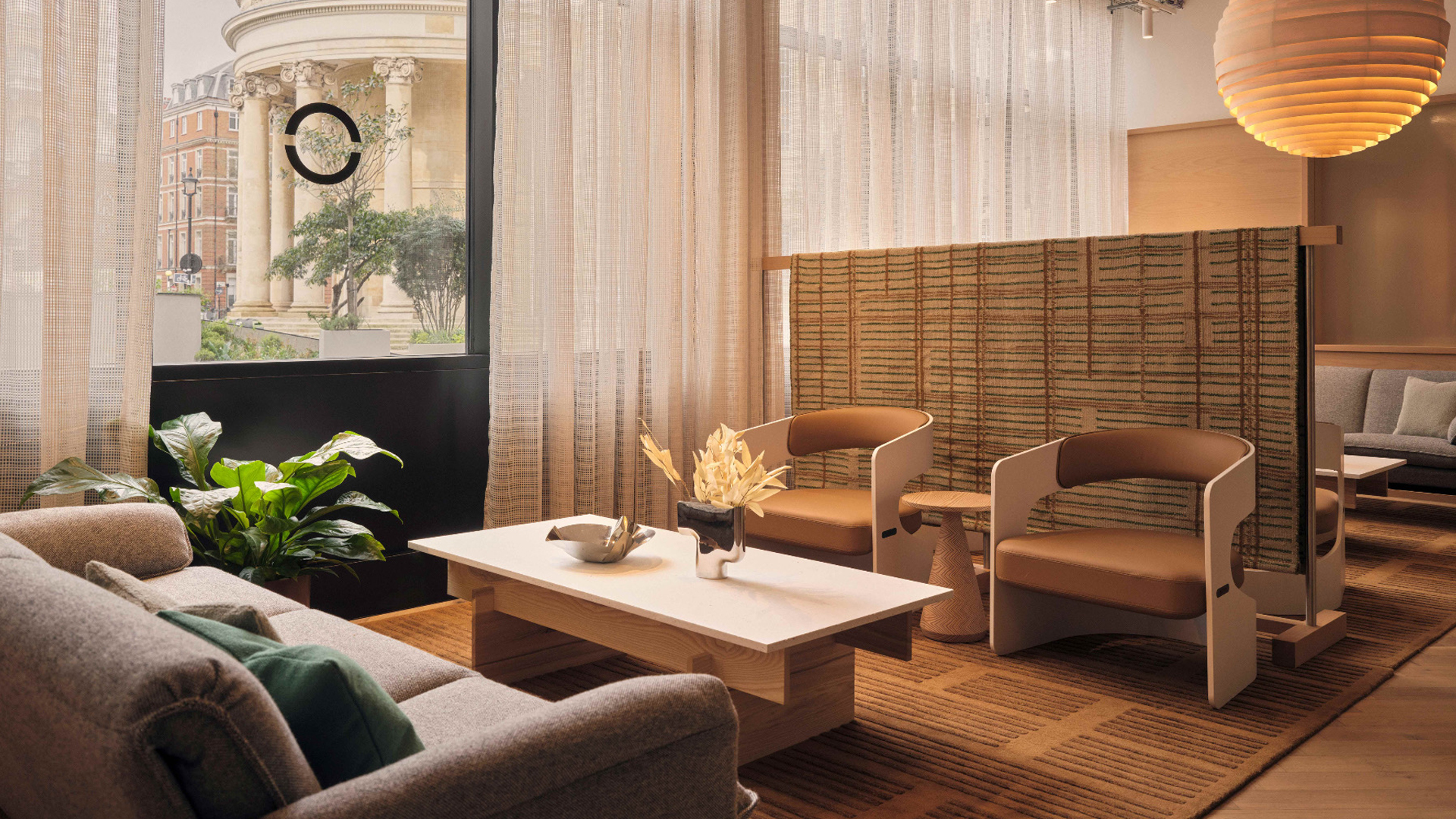
Why adding sound can make an office less distracting
The clarity that helps you follow a colleague across the table can make the same conversation hard to ignore from the next desk. In a controlled experiment on speech intelligibility, researchers kept the overall sound level constant and varied how clearly people could understand background speech. More intelligible speech was more disturbing and affected performance on some tasks. In a study of 21 open-plan offices, people also reported more disturbance where intelligible speech travelled farther. Acousticians use a measure called distraction distance to describe how far speech remains clear enough to distract.
Sound masking introduces a steady, calibrated background sound that makes speech harder to understand at a distance. In a field study of level-adaptive masking at two organisations, employees on floors with masking reported less distraction from intelligible speech and turned to headphones or radio less often to cope with noise. The measured background level went up, but nearby speech was easier to tune out.
Steadiness is part of what makes this work. Research on fluctuating office noise shows how dips in the background can let pieces of speech through. The quiet introductions and gaps that make a music programme feel varied also make it an uneven way to mask speech. Where consistent masking would help, give it a clear job in the brief and commission it for the room. That frees the music to bring warmth, identity or a change of pace. ISO’s guidance on acoustic quality in open offices starts with the activities the space supports. Confidential conversations need acoustic isolation, while loud conversations near desks may be better addressed by changing the layout or providing somewhere more suitable to talk.
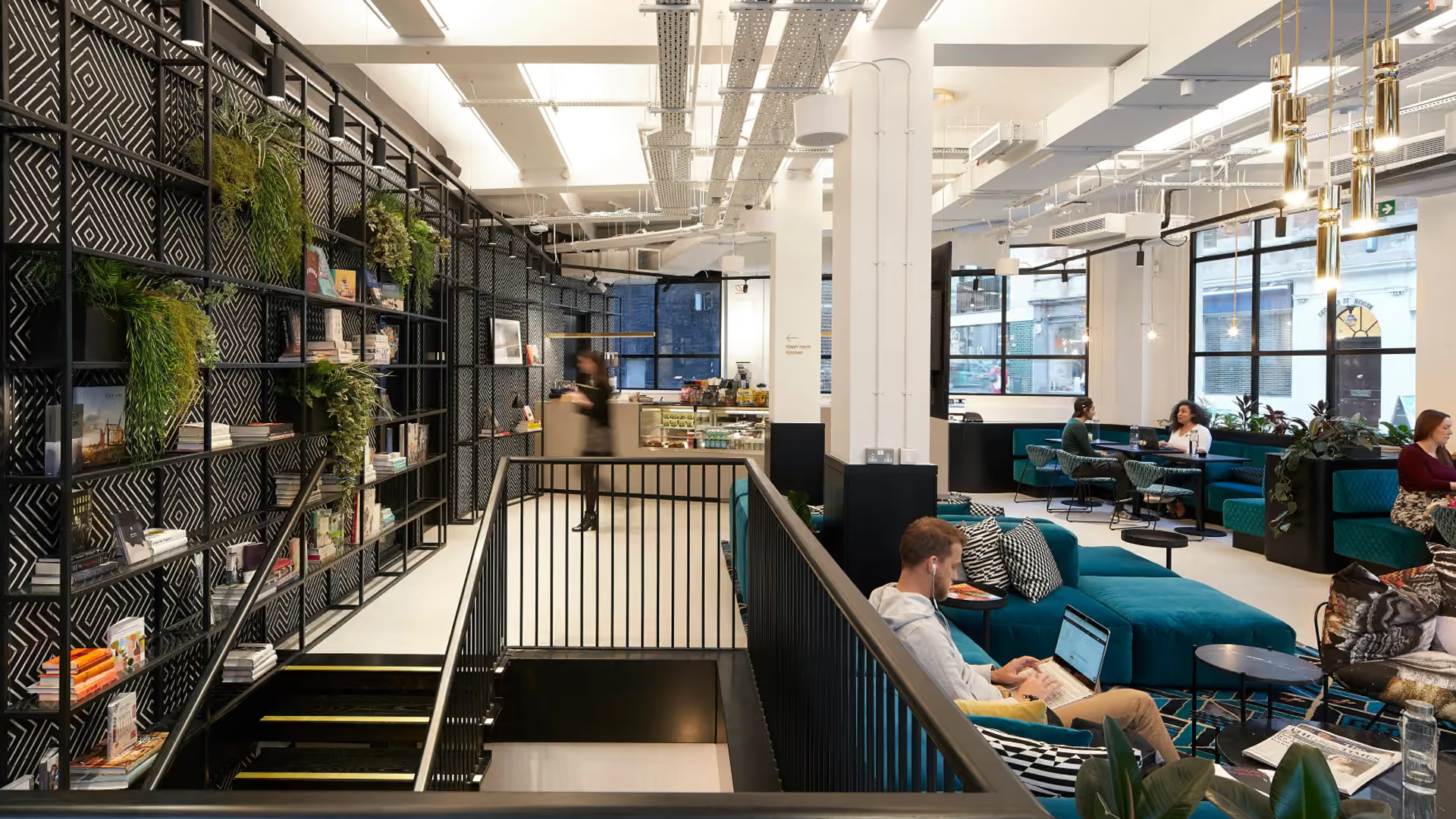
The speaker layout is part of the curation
Once you’ve decided what people should hear, the next question is where they’ll hear it. Move a seat closer to a speaker and a track that felt incidental can suddenly dominate. Across the room, the same track might all but disappear. If someone sets the volume from the quietest seat, the person directly under the speaker lives with that decision. What sounds like a complaint about the playlist can begin with a decision on the ceiling plan.
Direction affects speech too. In experiments on how listeners separate competing voices, people could do so more easily when the voices came from different directions. Simulations of open offices have also found that two nearby talkers can be more distracting than one, even at the same overall level. That helps explain why a desk between two places where people regularly stop to talk can be difficult to work at, even when the centre of the room seems comfortable.
For music, we’d look at the ceiling and furniture plans together. How far are the speakers from people’s ears when they’re seated, and what happens beneath a low ceiling, at the edge of a banquette or at the last desk before the café begins? JBL’s technical guide to ceiling speaker spacing illustrates how ceiling height and speaker spacing affect coverage at listening height. AVIXA’s audio coverage standard provides a way to check how evenly sound reaches the intended area. Then there’s the edge of that area, where the brief should say how far the music is meant to carry. The time to make those decisions is while there’s still a choice about where the speakers go.
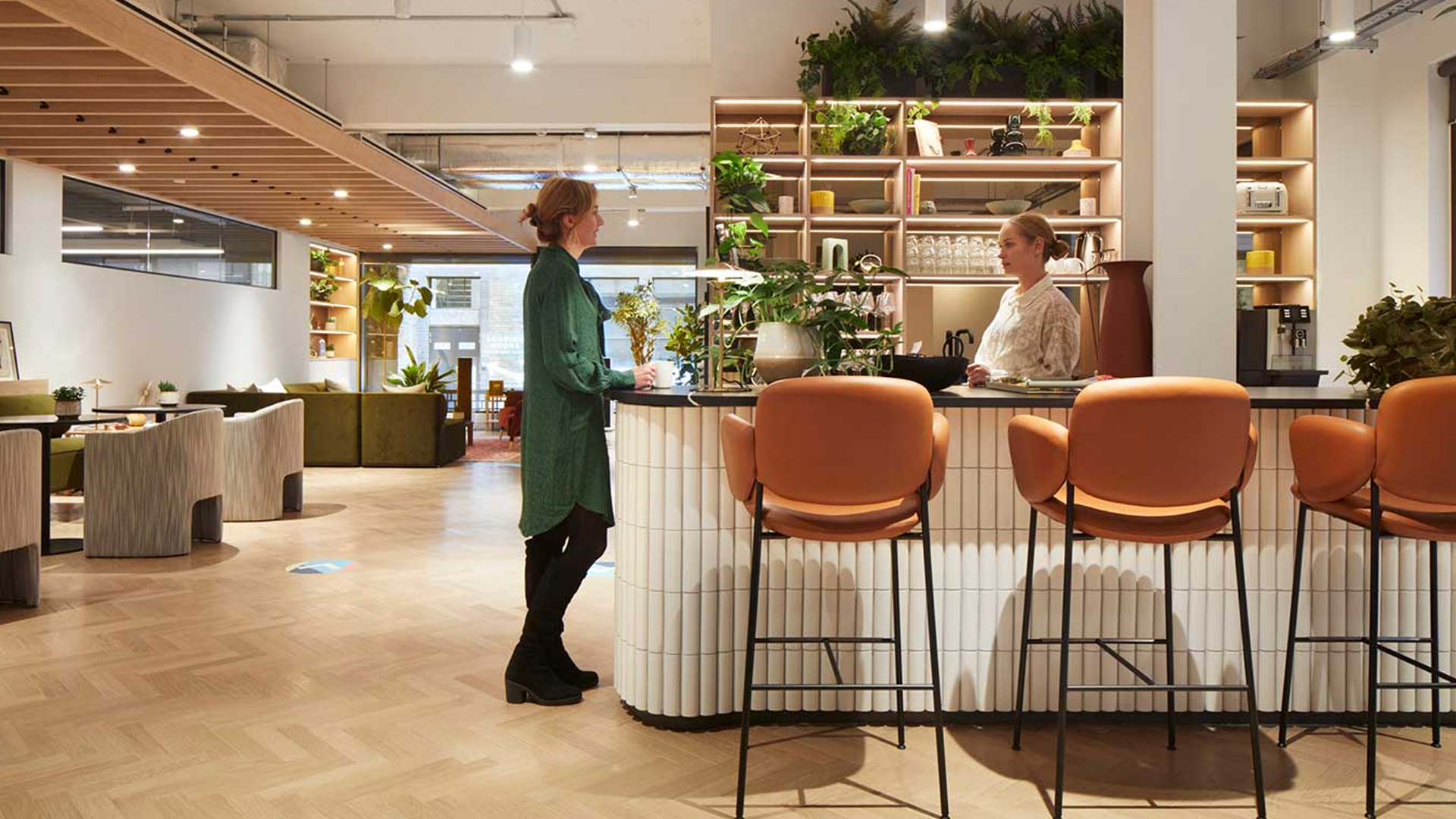
Choose what the music asks of the listener
Once the music sits evenly in the room, the selection itself becomes easier to judge. A voice that sits forward in the mix, a sharp percussion entrance or a sudden change in intensity can pull the ear even at a modest level. Laboratory research on auditory distraction distinguishes between the way a changing sequence can disrupt some kinds of short-term recall and the way an unexpected sound can pull attention away from a task. Another experiment found that music with lyrics impaired performance on several cognitive tasks, while the effects of instrumental music were smaller. For a room where people read, write and talk, those details tell a curator more than a genre label alone.
Music can also help attention settle. In an experiment using a simple sustained-attention task, people listening to their own preferred music reported less mind-wandering, while their response times stayed similar. You can imagine someone choosing music as they work through a repetitive task and taking their headphones off when they turn to editing a paragraph. Personal listening lets them make that decision as the work changes. A shared programme has to leave room for both activities.
That means listening to the programme in sequence. Level matching can smooth the difference in loudness between recordings, while a prominent vocal or a sudden change within a track will still come through. The European Broadcasting Union’s guidance treats average loudness and variation as separate measures. For curators, one practical implication is to audition the joins as carefully as the tracks. A shift from a sparse instrumental into a densely produced song may be much more noticeable in the room than either track sounded on its own.
At SHACK15, light percussion, ambient textures and analogue synths gave us ways to vary how present the music felt while staying within a recognisable electronic palette. That’s where the creative work comes in. A room can have a clear musical identity that comes through in the sound of the records themselves, even when the music is playing softly enough for people to settle into a conversation.
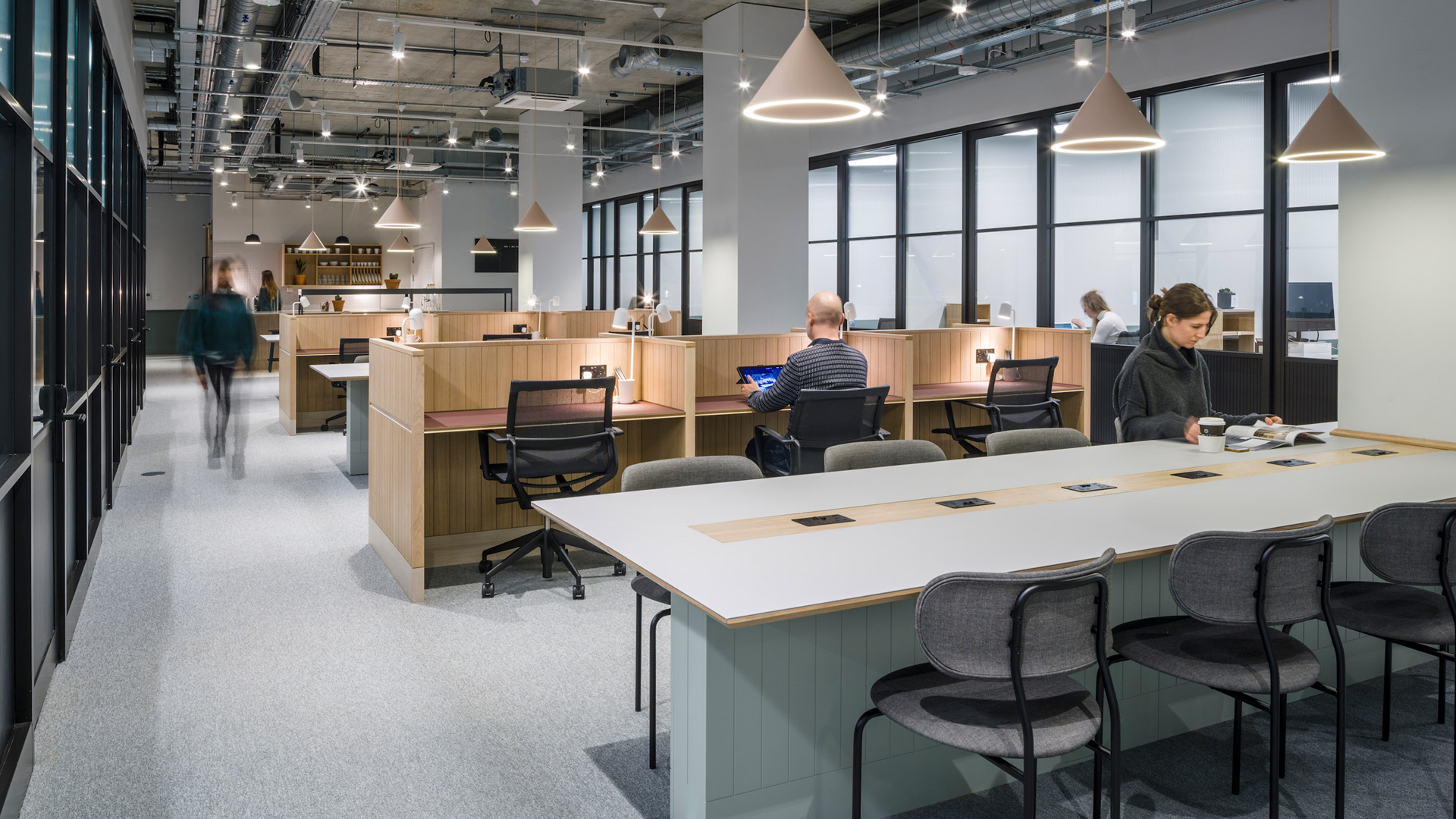
Design a sound for the length of time people will hear it
A sound that feels welcome for ten minutes can feel different after several hours. In an experiment on recovery after a stressful task, skin conductance, a measure of physiological arousal, tended to return towards baseline faster with a mix of water and birdsong than with environmental noise. Heart-rate variability showed no consistent effect. In a separate simulated-office experiment, people who took a break with river sounds reported better motivation than those who remained exposed to office noise. Both studies give designers a reason to try sound as part of a short, optional break.
The same kind of sound can be received differently when people hear it throughout the day. In a longer office trial of water-based masking, employees heard four water-based alternatives over several weeks and rated their usual steady masking more favourably, even though the alternatives played at roughly the same level. For a retreat space, that suggests giving someone an easy way to choose sound or quiet. For an all-day setting, it’s a reason to listen beyond the initial impression and ask the people who use the room which textures start to stand out or wear thin.
Test the experience people came for
Soundscape researchers have identified pleasantness and eventfulness as distinct dimensions of how people rate a sound environment. A place can feel pleasant and lively, or pleasant and calm. So when someone says a work café has a good atmosphere but is hard to talk in, both responses are worth keeping. They tell the team what people value about the space and what they’d like to be easier. That attention to activity and setting is part of ISO’s guidance on gathering soundscape data in context.
We’d start with a small trial. In the café, compare the current programme with an alternative at a similar level during comparable periods of use. Ask people how much effort conversation took and whether the room still felt welcoming. At the desks nearby, ask whether they could make out whole phrases from the café and whether that interrupted their work. UC Berkeley’s occupant survey makes a similar distinction between noise levels and speech privacy. If the team adjusts the speakers at the boundary, repeat both checks to see what changed on each side.
Then return once the change has become part of an ordinary week. RIBA’s guidance on post-occupancy evaluation makes the case for learning from the building in use, and the people who spend the longest in the room often have the clearest observations. If the onsite team turns the music down for one table every day, look at the coverage there. If staff struggle to hear during the same half hour, listen to how conversation, equipment noise and playback build at that time. Those patterns give the team something specific to investigate and a place to return to once they’ve made a change.

What a good sound brief delivers
Return to those two people in the café. One should be able to finish a thought without raising their voice. The other should be able to finish a paragraph without following the conversation. The music can still give the room a character of its own. Put those experiences in the brief and the designer, acoustician and curator have something concrete to work towards together. The people who use the building will be able to tell you whether you’ve got there.
If you’re designing a new workplace or rethinking how an existing one sounds, talk to Altaura about your sound brief.